Franklin Opened as a Trailer. What the Queue Is Worth Now.
A finite daily output, a line that starts before dawn, and a price that hasn't caught up with the demand — the queue is doing work that the menu can't.
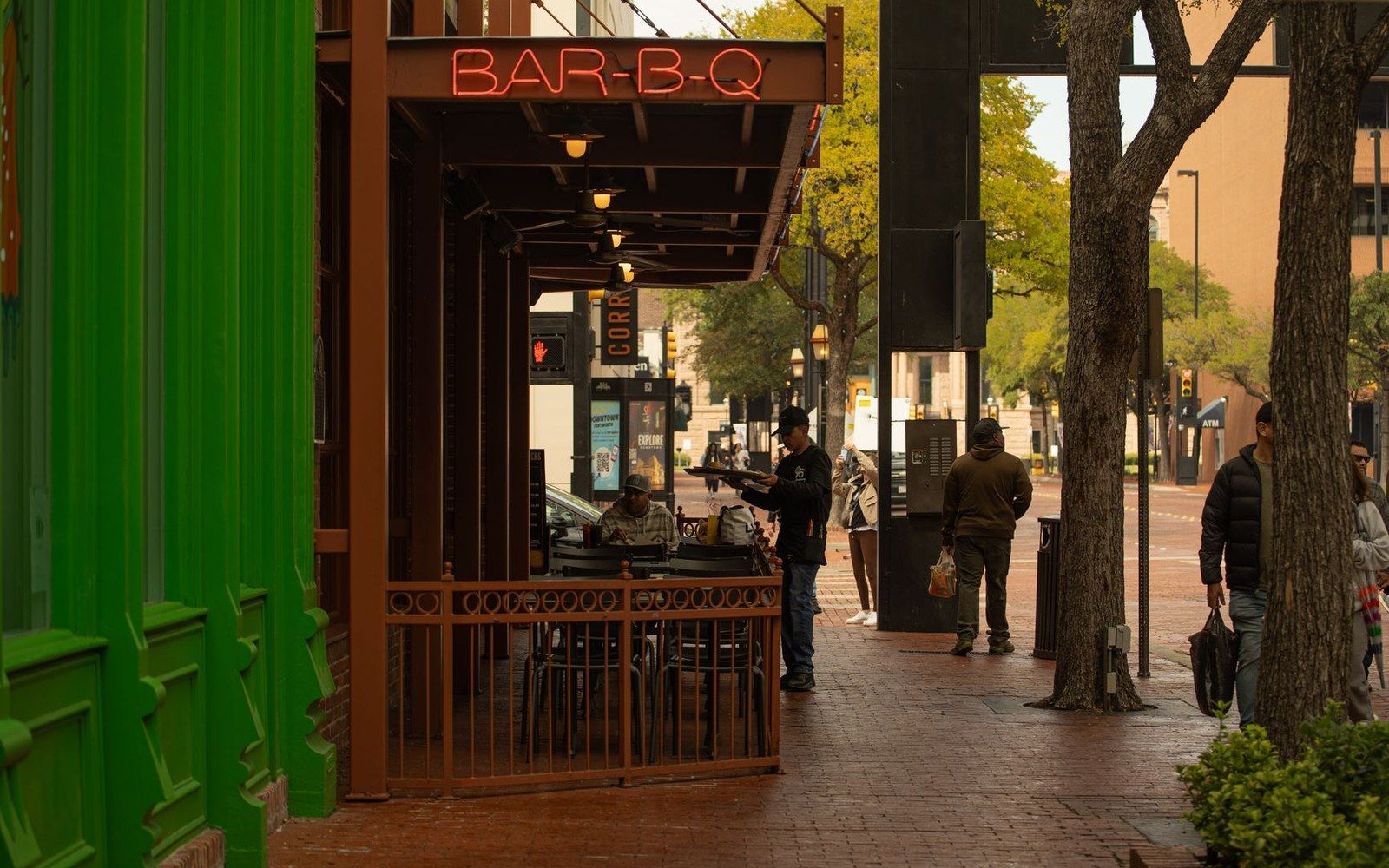
A finite daily cook and a long queue do the work a price rise would do.
Photo: Gavin Young / Pexels
From Trailer to Beard
Aaron Franklin started selling brisket from a trailer on East 11th Street in East Austin in late 2009, operating out of a repurposed Airstream with a homemade offset smoker. By 2011 the operation had moved into a brick-and-mortar building a few lots down the same street. By 2015 Franklin had won the James Beard Foundation Award for Best Chef: Southwest — the first pitmaster to receive that recognition in the award's history. The trajectory was fast enough that it obscured what kind of business Franklin Barbecue actually is: a single-location, cash-in-at-the-counter operation whose output is limited each day by the number of briskets that fit on the pit, cooked over post oak on a schedule that does not accelerate.
That physical ceiling — not branding, not pricing strategy — is what created the queue.
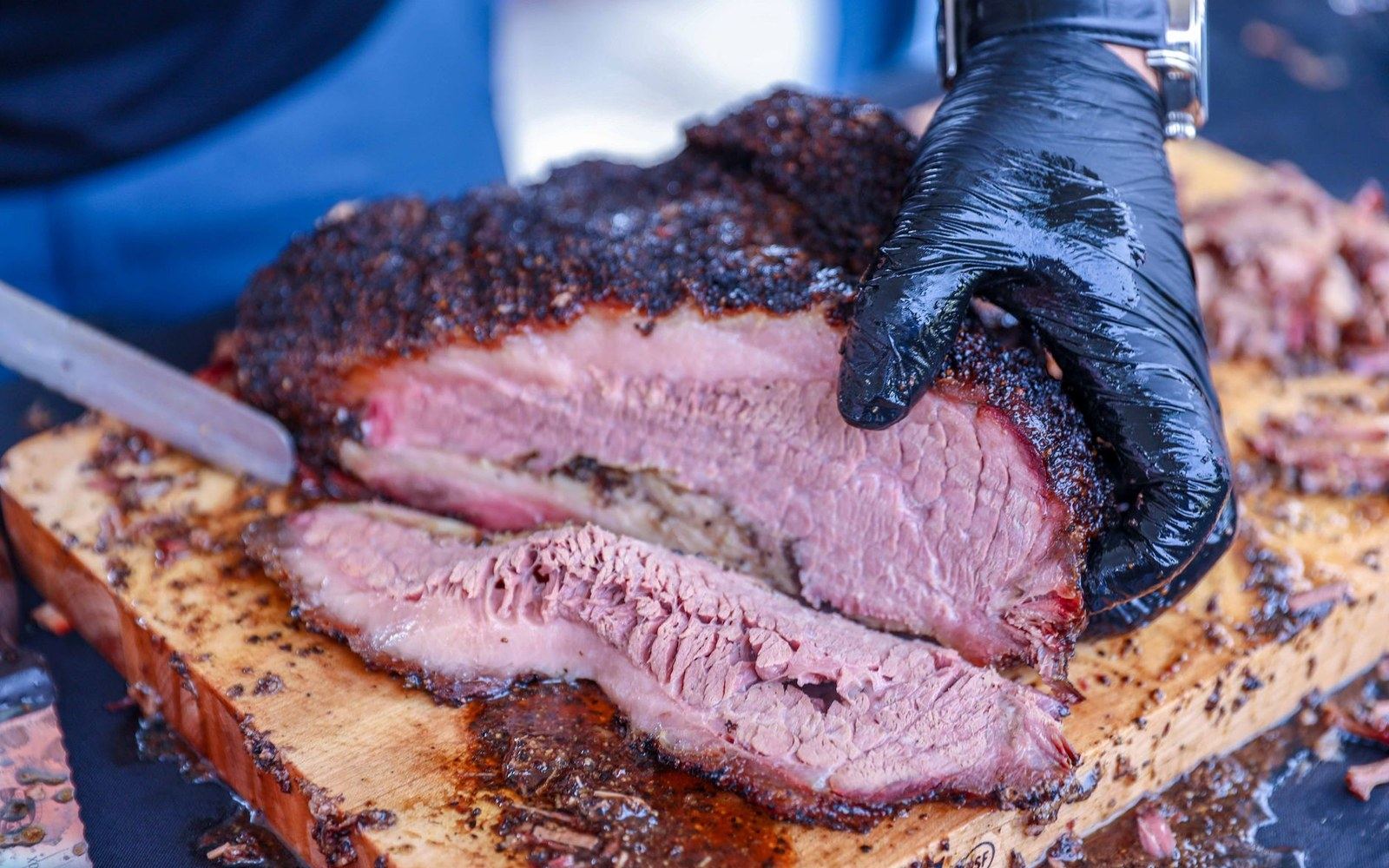
Direct-fired brick, worked by hand. The fire is read rather than timed.
Photo: Hayden Walker / Pexels
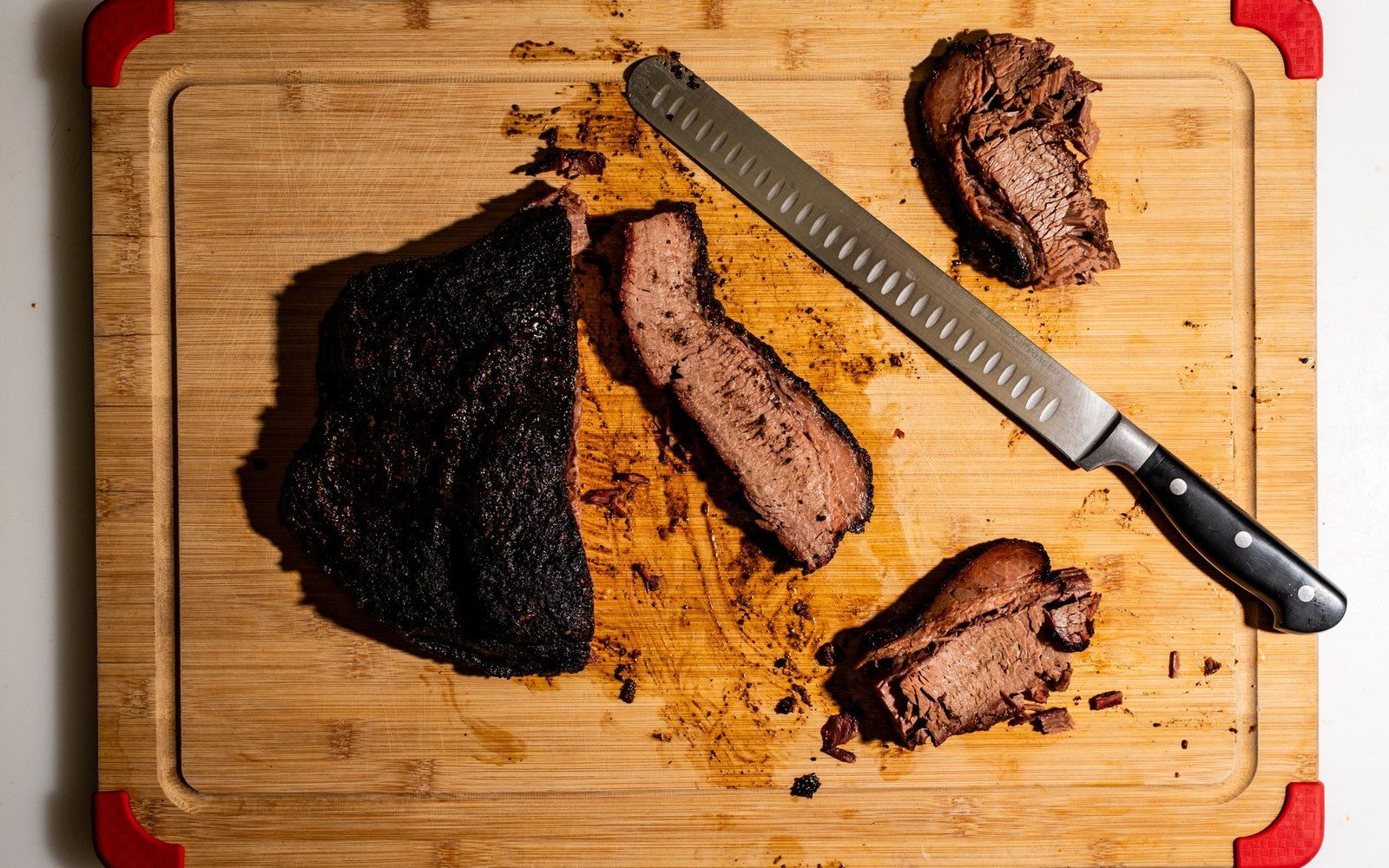
Weighed and handed over on paper — the market habit that outlived the market.
Photo: Alex Gonzo / Pexels
The Economics of Selling Out
Franklin Barbecue posts no reservations and takes no call-ahead orders for individuals. Meat goes until it's gone, typically by early afternoon. Doors open at eleven. On weekdays, people routinely arrive by eight or nine in the morning; on weekends the line forms earlier. Texas Monthly's barbecue editor Daniel Vaughn has documented wait times exceeding three hours as a routine condition, not an anomaly. The operation sells out most days it operates.
That daily sell-out is the key economic fact. In a conventional market, persistent excess demand at a given price is resolved either by raising the price or expanding supply. Franklin Barbecue has done neither at a scale that would clear the queue. Brisket prices on the menu have increased over the years — tracking, loosely, the rise in USDA wholesale brisket prices that pressured every barbecue operation in Central Texas after 2020 — but the increases have not been large enough to price out the line. The queue persists.
What this means in practice is that the queue functions as a non-price rationing mechanism. The real cost of a Franklin brisket plate is the menu price plus two to four hours of time. That time cost is substantial enough to filter demand — not everyone can or will spend a workday morning on a sidewalk on East 11th — but it does not translate into revenue for Franklin. The hours spent waiting are a dead-weight transfer: real cost to the customer, no direct revenue for the business, though the line itself works as a signal of quality.
Key numbers
| Year Franklin opened as a trailer | 2009 |
|---|---|
| Year James Beard Award won | 2015 (Best Chef: Southwest) |
| Typical door-open time | 11 a.m. |
| Typical queue start time | 8–9 a.m. weekdays, earlier on weekends |
| Documented wait times | routinely two to four hours; occasional sell-outs before afternoon |
| Nature of supply constraint | pit capacity, fixed by physical smoker size and post oak cook time |
A conventional analysis would call this a pricing inefficiency. Franklin's prices leave consumer surplus on the table large enough to fill a sidewalk. But the queue also functions as a durable signal of quality in a market where signals are hard to generate. The line is visible, self-reinforcing, and has now persisted long enough to become part of the business's identity. Dismantling it by raising prices aggressively or opening a second location would resolve the inefficiency while potentially eroding the signal.
What the Output Ceiling Does
Franklin has not remained entirely static. A second building, a bar operation, and a cookbook and television presence have extended the brand. But the core brisket operation at the East 11th location has not scaled in the way a venture-backed food business would be pushed to scale. The pit capacity is what it is. The post oak burns at the rate it burns. The brisket rests when it needs to rest.
That constraint is not incidental to the business — it is the business. A Franklin brisket costs what it costs on the menu. The additional cost is paid in time, by the customer, on the sidewalk. The queue is, in effect, an unpriced premium that the market would bear as dollars but Franklin has chosen to collect as hours. Whether that is a deliberate strategy or a values choice about what kind of place East 11th should have, the economic outcome is the same.