Seventeen Moonlight Towers Survive. The City Bought Them in 1895.
Austin's arc-light towers predate city water, paved streets, and a grid that made any sense — and thirty-one of them still lit the city into the twentieth century.
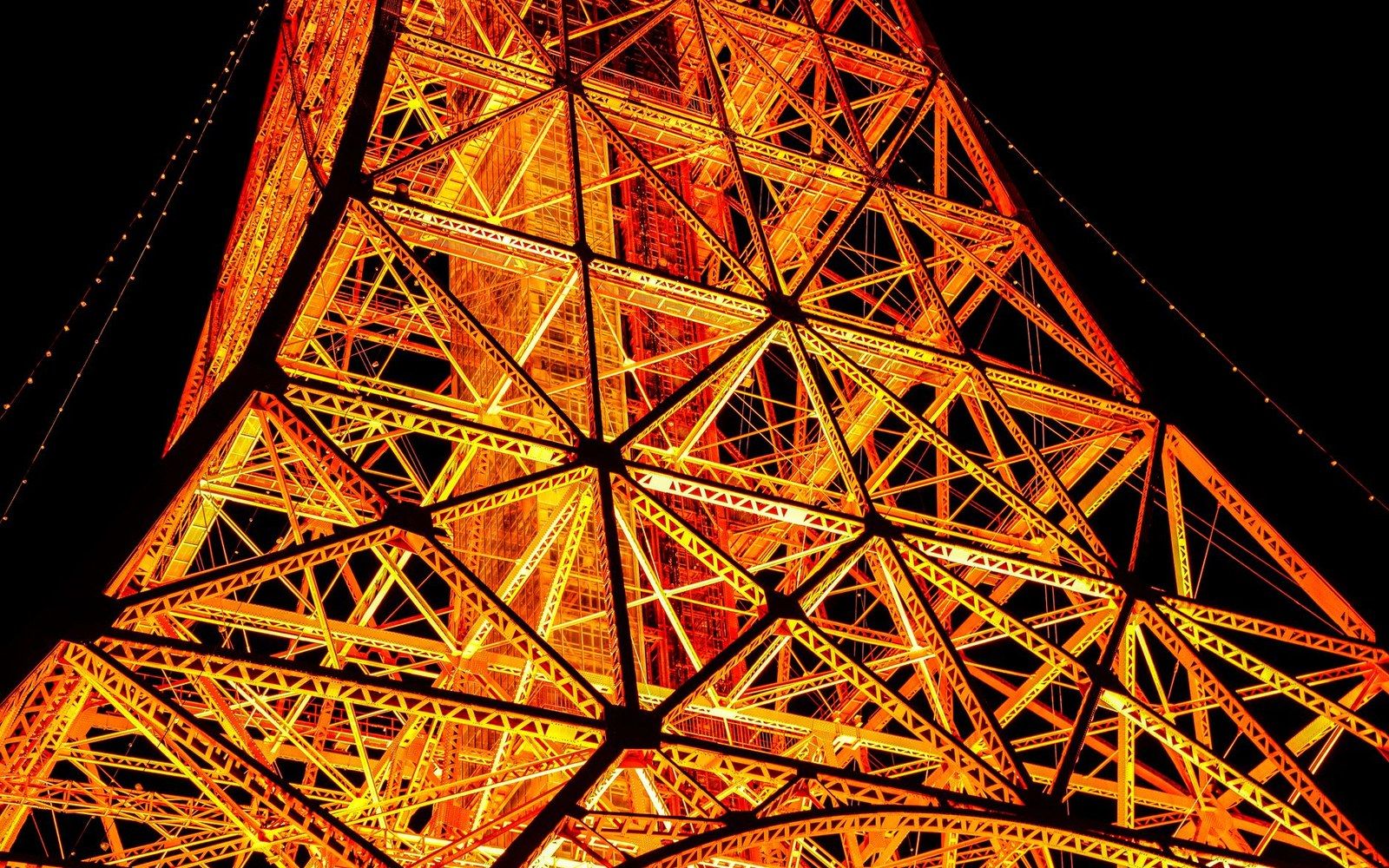
Cast-iron lattice, bought secondhand in 1895 and still carrying light.
Photo: AXP Photography / Pexels
A Secondhand System That Outlasted Its Era
Detroit put its moonlight towers up in the early 1890s and decided, within a few years, that they were obsolete — arc-light technology was giving way to distributed streetlights, and a city growing as fast as Detroit could afford the upgrade. Austin, considerably less flush, bought thirty-one of the iron towers in 1895 for around $800 apiece, had them shipped south, and reassembled them at intersections across a city that had no other reliable way to light large swaths of unpaved streets after dark.
The logic of the moonlight tower was straightforward: one very bright light placed very high could illuminate a wide radius. Each tower stands 165 feet tall, a latticed iron column originally topped with a cluster of carbon-arc lamps producing the cold, bluish light that gave the technology its name. Positioned at major intersections rather than every block, they functioned like artificial moons — not illuminating any single spot intensely, but washing entire neighborhoods with enough light to navigate by. For a nineteenth-century city worried about crime and carriage accidents, that was sufficient.

Sunset Red granite, quarried at Marble Falls and hauled in by rail.
Photo: TexasCapitolExterior · Wikimedia Commons

A 1980 reconstruction left crevices at the width the colony prefers.
Photo: Mexican Free-tailed Bat (Tadarida brasiliensis) - Congress Avenue Bridge - Flickr - Jay Sturner · Wikimedia Commons
Austin operated all thirty-one into the early twentieth century. As the original carbon-arc fixtures aged, the city converted the towers to incandescent and later mercury-vapor lamps rather than decommission them. The infrastructure beneath — the foundations, the lattice columns, the swivel bases that allowed workers to lower the towers for maintenance — proved more durable than the technology they were built to carry.
By the 1970s, fourteen towers had been lost to road-widening projects, collisions, and neglect. The city has since restored the surviving seventeen, rewiring them and repainting the iron. In 1976, all seventeen were listed on the National Register of Historic Places as a group — one of the few surviving concentrations of moonlight towers anywhere in the world; most American cities scrapped theirs before anyone thought to preserve them.
The seventeen remaining towers are distributed across older Austin neighborhoods — Clarksville, Hyde Park, and several central residential streets among them — each one still functional, now fitted with LED lamps on the original nineteenth-century column. The city inspects and maintains them through its Austin Energy utility. They are not monuments in the sense of standing apart; they remain working street infrastructure, lit every night, casting the same wide-radius glow their designers intended in a Detroit city-council chamber more than 130 years ago.