Apartments per Head, and the Year Rents Went the Other Way
Austin built more apartments per resident than almost any major American city. The supply eventually caught up with the demand — and then some.
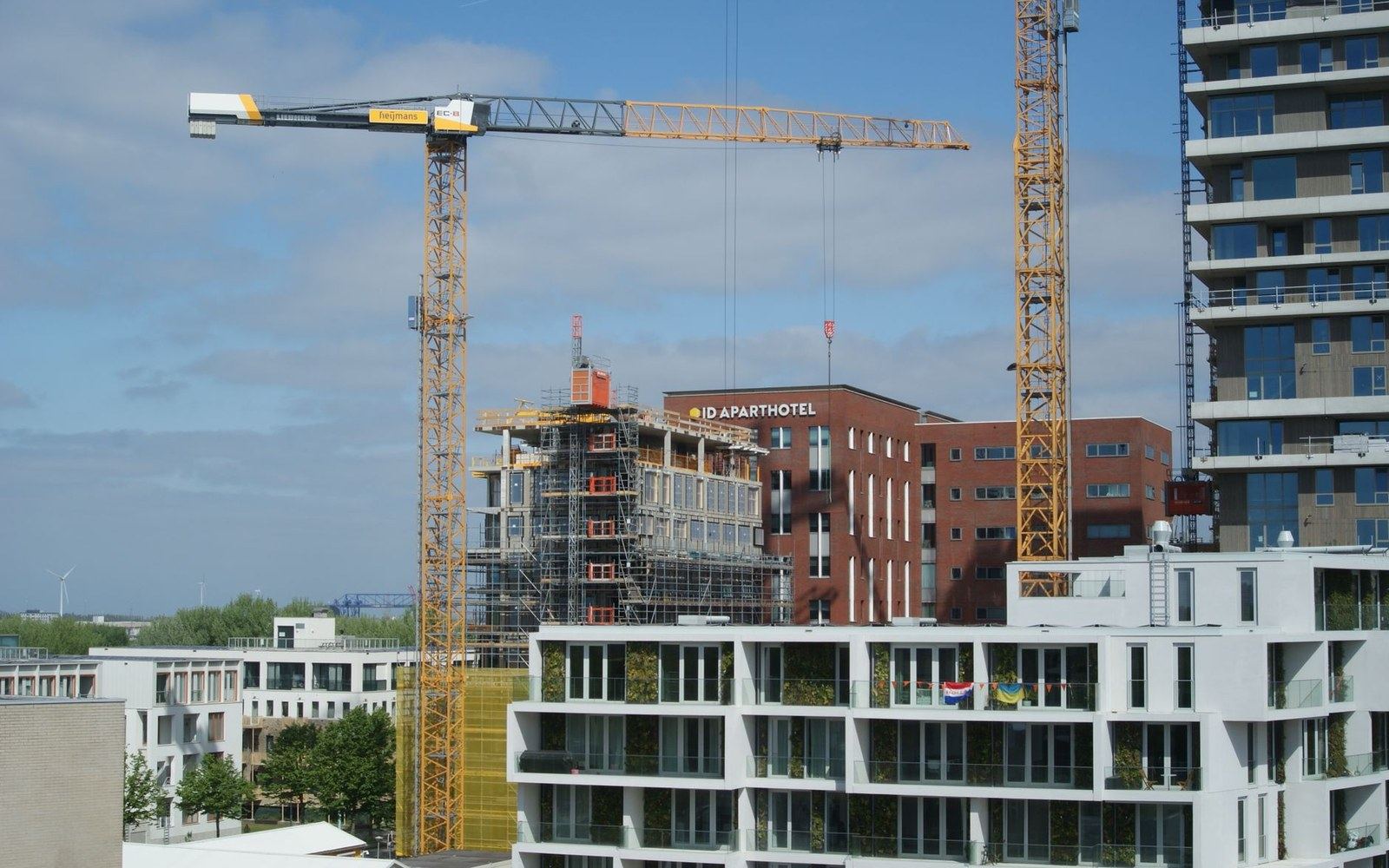
Completions per head led the country while asking rents were already falling.
Photo: Timothy Huliselan / Pexels
The Build Rate That Set Austin Apart
For most of the pandemic-era boom, Austin permitted and delivered new apartment units at a pace that peer metros rarely matched. CoStar Group data for the Austin metropolitan statistical area show annual deliveries that, measured against population, placed the city at or near the top of large U.S. markets through 2022 and into 2023. The U.S. Census Bureau's building-permit survey captures the scale: in 2022 alone, the Austin–Round Rock–Georgetown MSA recorded permits for tens of thousands of multifamily units, a completions-per-capita figure that outpaced Dallas, Houston, Denver, and Nashville by a meaningful margin.
The reasons were structural as much as speculative. Oracle relocated its headquarters from Redwood Shores to Austin in 2020. Tesla opened Gigafactory Texas in Del Valle in 2022. Apple was building a campus in north Austin. Samsung committed a fabrication plant to Taylor, in Williamson County. Each announcement pulled workers and then contractors, and contractors pulled capital. Developers read the employment headlines and broke ground. The pipeline filled faster than occupancy could.
A sale closing after the peak: the outer-ring subdivisions gave back the most.
Photo: Alena Darmel / Pexels
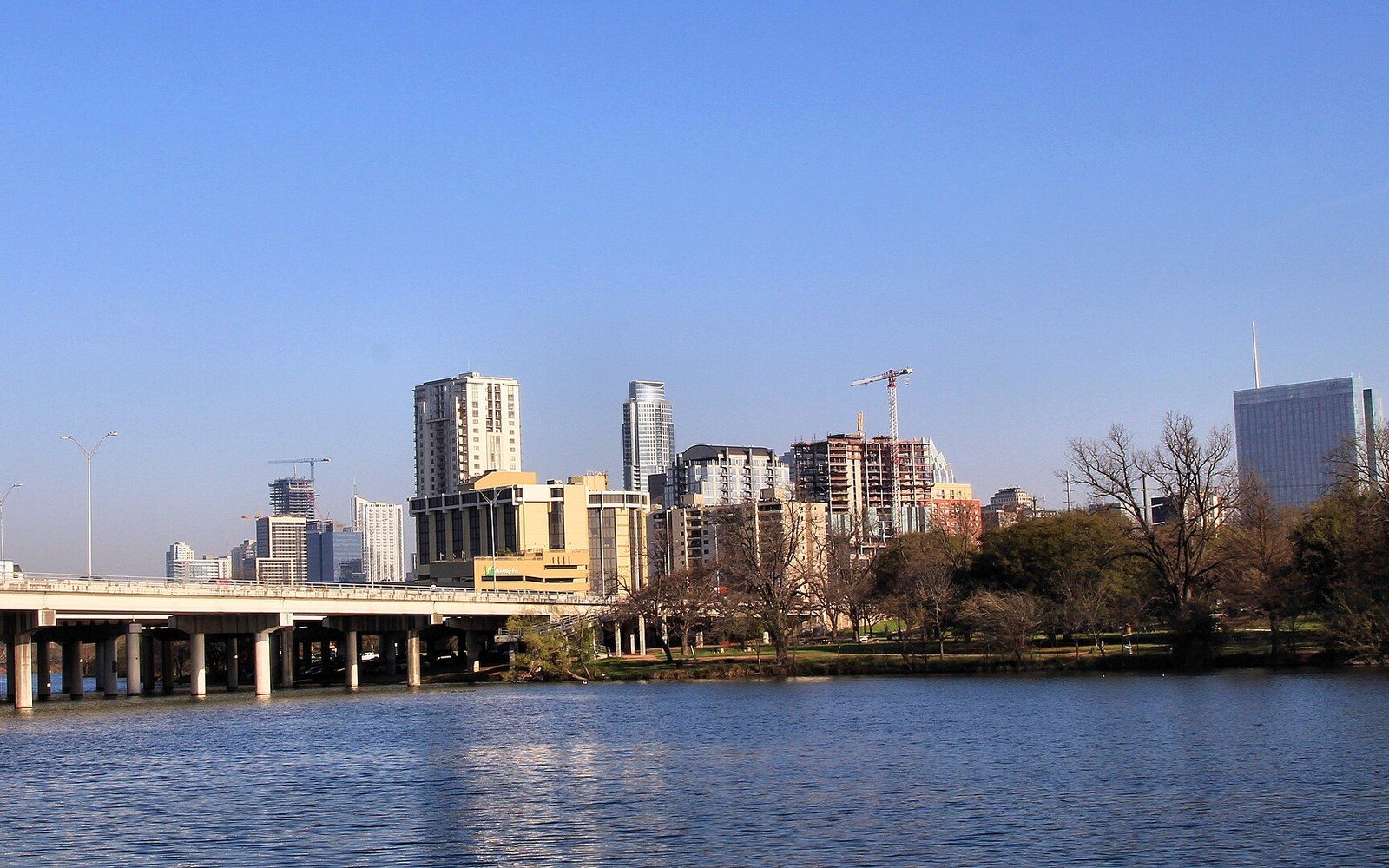
Towers that broke ground in the boom finished into a softer leasing market.
Photo: Austin Downtown 2018 · Wikimedia Commons
The arithmetic of construction lags is unforgiving. Projects permitted in 2021 and 2022, when the occupancy story still looked clean, delivered in 2023 and 2024 into a market that had already softened. Tech layoffs after 2022 thinned the renter pool that developers had underwritten against. The Austin Chamber of Commerce's employment data and Texas Workforce Commission filings both documented the jobs contraction in the sector that had driven the city's population growth story. Buildings finished on schedule; the tenants did not arrive on the same schedule.
When Supply Overtook Demand
Zillow's observed rent index — its measure of median asking rents on newly listed units — turned negative for Austin in 2023. By mid-2023 the year-over-year decline in Austin asking rents was among the steepest Zillow recorded for any large market in the country, and Zillow's rent research series showed the metro holding that position through 2024. The direction was not ambiguous: Austin, which had posted some of the highest rent inflation in the nation in 2021, became one of the first major markets to post sustained rent deflation.
The mechanism is straightforward. When completions per capita are high enough and in-migration slows, vacancy rises, and landlords concede on price rather than carry empty units through another quarter. CoStar Group's vacancy tracking for the Austin market showed multifamily vacancy climbing through 2023 as deliveries continued to outpace net absorption. Concessions — free months, waived fees — appeared first; then asking rents followed the vacancy rate downward.
The peer comparison matters here. Cities that permitted far less during the same window — coastal markets constrained by zoning, slower approval timelines, or higher construction costs — did not see the same supply-driven correction. Their rents stayed elevated precisely because their pipelines stayed thin. Austin's willingness to permit at volume, long a point of civic pride, became the mechanism of its own rent correction, which is closer to the policy intent of high-supply advocates than most case studies deliver so cleanly.
The correction did not distribute evenly across unit types or submarkets. Class A product — newer, amenity-heavy towers downtown and along the north corridor — absorbed the sharpest concessions, because that is where the new supply landed. Older workforce housing held firmer. The pattern is consistent with what economic research on supply and rent dynamics predicts: new units at the top of the market filter pressure downward eventually, but the near-term softness concentrates where the new inventory sits.
Austin in 2024 offered something American housing debates rarely get to observe in real time: a large city where aggressive permitting produced enough supply to bend the rent curve, inside a single electoral and business cycle, with the data trail still fresh.