Gigafactory Texas Opens East of Town
Tesla's Del Valle plant arrived with acreage, incentives, and an employment promise — and the land market east of the airport moved before the ribbon was cut.
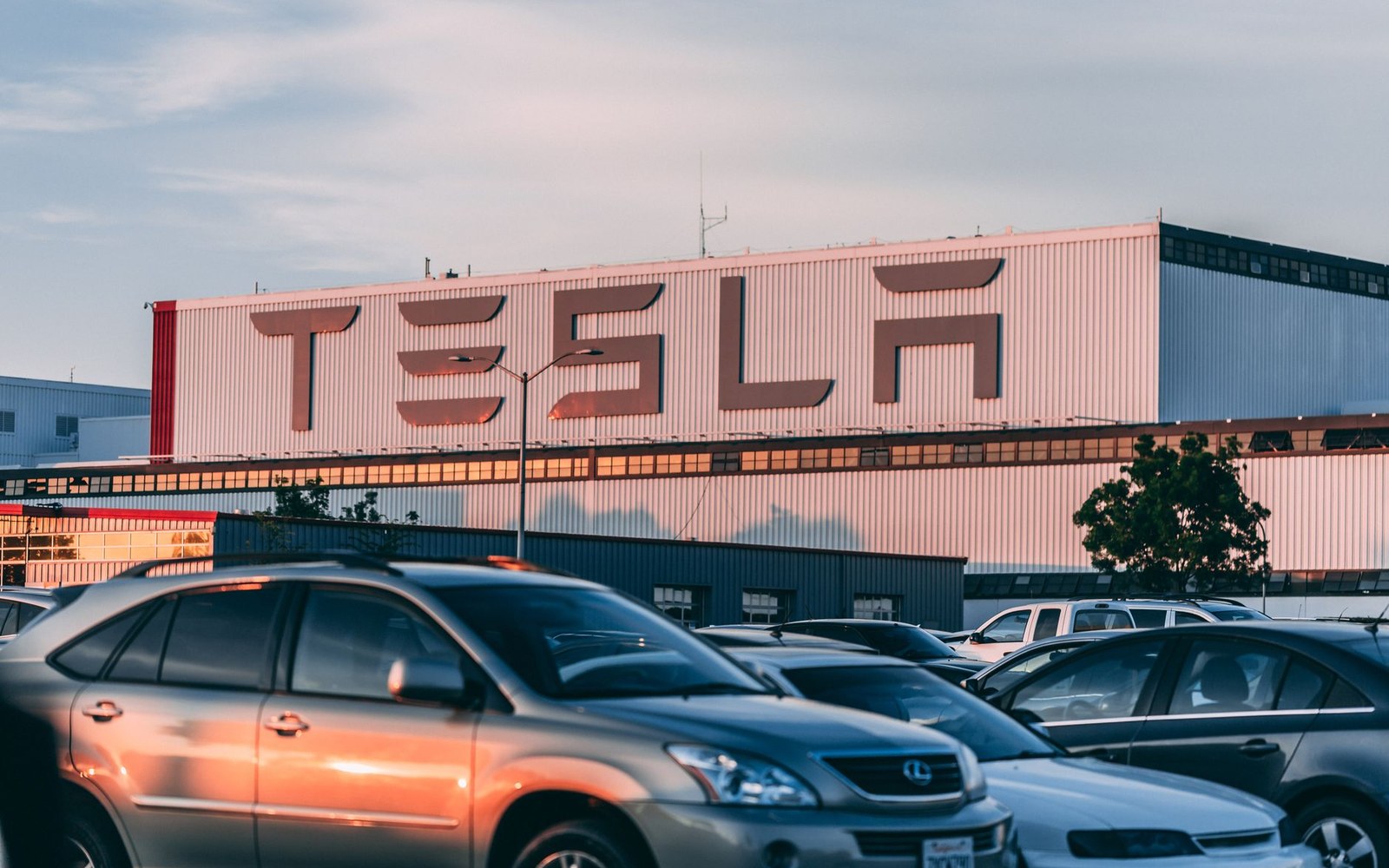
Gigafactory Texas opened in 2022, the year the price series turned.
Photo: Craig Adderley / Pexels
A Factory on the Flood Plain
Tesla broke ground on Gigafactory Texas in July 2020, choosing a roughly 2,100-acre site along the Colorado River in Del Valle, southeast of Austin's main urban core and immediately east of Austin-Bergstrom International Airport. The location was not accidental: the site sits in Travis County, outside Austin city limits, which simplified permitting, and it offered direct rail access and proximity to Highway 130. Construction moved at a pace unusual even for large industrial projects — the plant was producing vehicles by April 2022, when Elon Musk hosted an event he called a "Cyber Rodeo" to mark the opening.
The incentive package that drew the plant was negotiated under Chapter 313 abatement, a Texas law allowing school districts to grant multi-year property-tax reductions to attract large industrial investments. Del Valle Independent School District approved a ten-year abatement valued at approximately $14 million for the project, with Travis County adding its own incentive agreement. The state of Texas contributed further through the Texas Enterprise Fund, a governor-controlled economic development pool. Texas repealed Chapter 313 for new applicants in 2022, the same year Gigafactory Texas opened, making the Del Valle deal one of the last major agreements structured under those rules.
The Del Valle plant from the road: the eastern corridor’s land market moved before the factory did.
Photo: Guillermo Berlin / Pexels
Six lanes through the middle of the city, with the cranes they were widened to serve behind.
Photo: Thomas balabaud / Pexels
Tesla announced it would employ up to 10,000 workers at the facility as production scaled. The plant assembles the Model Y and was announced as the future production site for the Cybertruck, which began limited delivery in late 2023. The Texas Workforce Commission tracked significant hiring in the Austin metro's manufacturing sector through 2022 and into 2023, though the pace of employment growth at the specific facility has tracked slower than the upper-end projections suggested at groundbreaking. Tesla does not report site-level headcount separately from its broader disclosures.
What the Eastern Corridor Absorbed
The land market east of the airport had already begun moving when Tesla announced its site selection in 2020. Industrial and logistics demand in the corridor — stretching from Del Valle northeast along Highway 130 toward Pflugerville and Taylor — accelerated as developers anticipated supplier activity and workforce housing pressure. By the time the factory opened, industrial vacancy in the Austin market had compressed to historic lows, according to CoStar Group data, with the southeast submarket showing some of the tightest conditions.
Residential prices in the Del Valle ZIP codes and adjacent areas of eastern Travis County rose sharply in 2021 and early 2022 alongside the broader Austin boom tracked by the Austin Board of Realtors — a boom that the metro overall has since given back in substantial part. The eastern corridor held onto a portion of those gains longer than some inner-ring neighborhoods, partly because the factory's employment base provided a demand floor that was less sensitive to remote-work patterns than the tech-heavy central city.
Key figures
| Site area | approximately 2,100 acres, Del Valle, Travis County |
|---|---|
| Groundbreaking | July 2020; opening event: April 2022 |
| Announced employment ceiling | up to 10,000 workers |
| Del Valle ISD Chapter 313 abatement | approximately $14 million, ten-year term |
| Chapter 313 repealed for new applicants | 2022 |
Samsung's decision to build a semiconductor fabrication plant in Taylor, in Williamson County roughly 35 miles to the northeast, reinforced the argument that the Highway 130 corridor was becoming a secondary industrial spine for the metro — distinct from the established tech campuses on the north side anchored by Apple and Oracle. Whether that corridor coheres into something durable depends partly on supplier ecosystems neither plant has fully assembled.
Gigafactory Texas is the largest manufacturing facility in Austin's immediate orbit by site area. Its presence reshaped the eastern Travis County tax base, added pressure to an infrastructure network — roads, water, power — that the area had not been built to carry, and arrived during a period when the metro's broader economic story was still in its expansionary phase. The correction that followed the 2022 peak did not erase the factory or its employment, but it did complicate the simpler version of the story: that the plant's opening marked the beginning of a new industrial chapter rather than one of the final data points before the cycle turned.