Apple's North Austin Campus, Announced and Built
A $1 billion expansion Apple announced in 2018 became the most visible corporate bet on Austin's decade of growth — and arrived just before the correction.
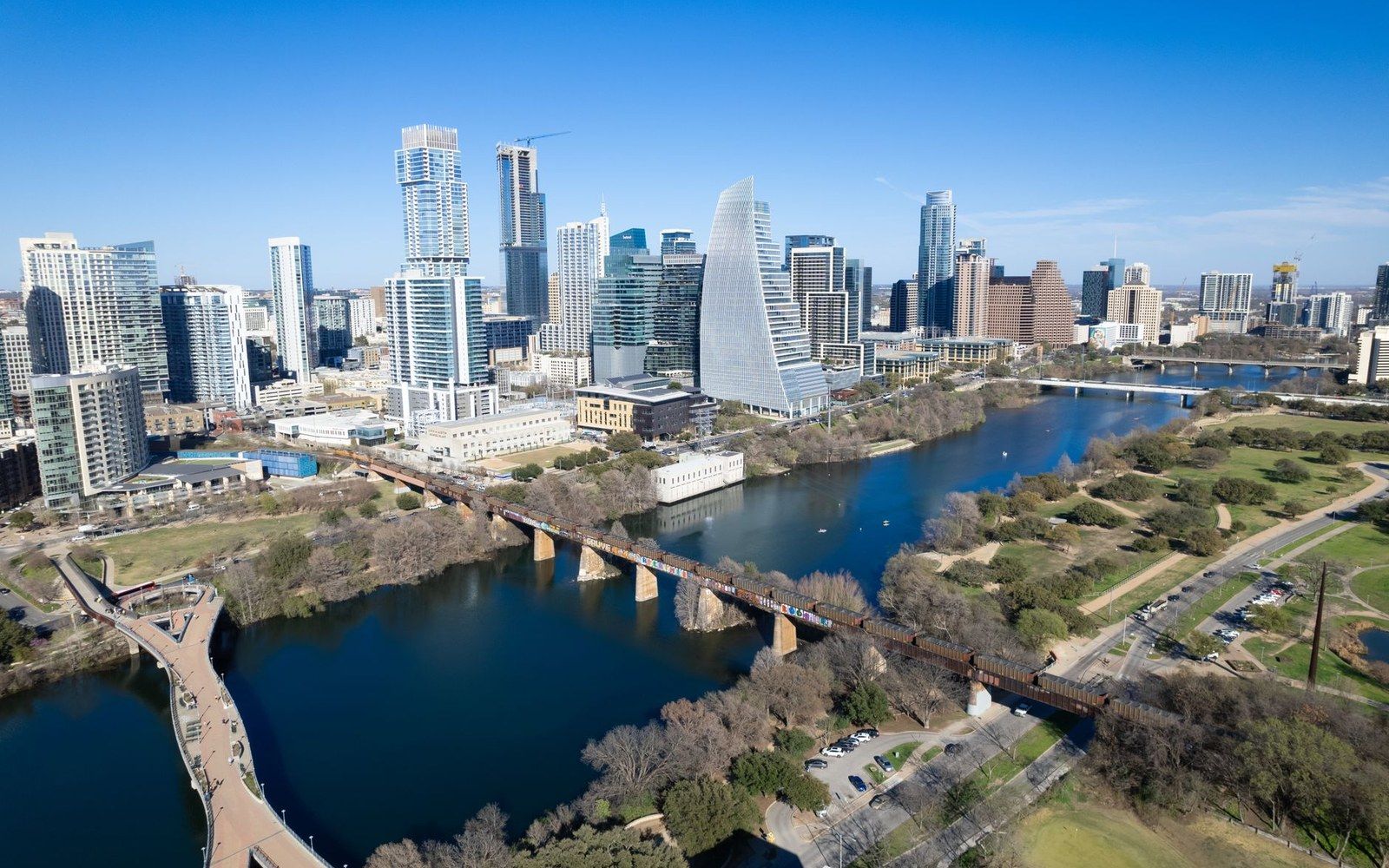
The north Austin site, announced in 2018 and built in phases through the boom.
Photo: Drone Task Force / Pexels
From Announcement to Occupancy
In December 2018, Apple announced a new campus in Austin as part of what the company described as a broader U.S. investment push following federal tax changes. The chosen site sits in Williamson County, north of the Travis County line, on land near the intersection of Parmer Lane and MoPac — an area already dense with semiconductor and technology facilities dating to the 1980s.
Apple already employed several thousand people in Austin at its existing Riata campus, where operations including AppleCare support and technical roles had been running for years. The 2018 announcement framed the new campus as an expansion rather than a relocation, with Tim Cook making the announcement personally. The company cited an initial target of five thousand jobs in Austin, with a stated intention to grow to fifteen thousand employees in the metro over time.

The Taylor fab under construction, thirty-five miles from the Capitol.
Photo: Andrey Matveev / Pexels
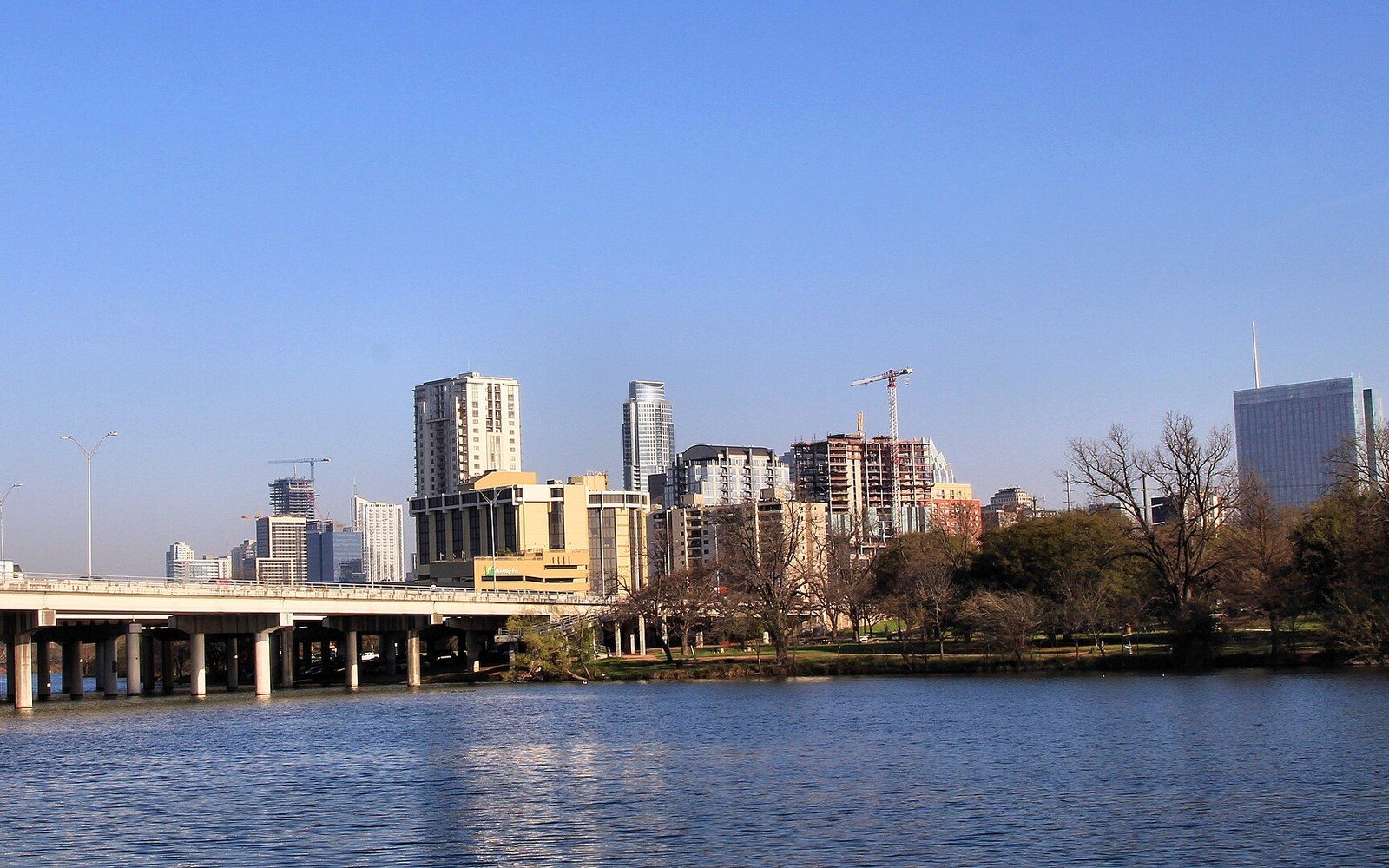
Towers that broke ground in the boom finished into a softer leasing market.
Photo: Austin Downtown 2018 · Wikimedia Commons
Williamson County provided incentives for the project; the county and the city of Austin together offered a package that included multi-year property-tax abatements under arrangements structured before Texas repealed Chapter 313 abatement authority for new applicants in 2022. The specific figures in the county's agreement were disclosed in public commissioners court records at the time of approval.
Construction on the roughly 133-acre north campus site began in 2019 and proceeded in phases through the pandemic period. Apple did not publish a single opening date; the campus filled incrementally as buildings completed. By the time Austin's office market entered its record vacancy cycle, Apple's campus stood as a counterexample — a large, single-tenant build-to-own property occupied by the company that built it, insulated from the sublease and spec-office distress hitting downtown landlords.
The Austin Chamber of Commerce has included Apple's Williamson County employment in its monthly employment data series, though the company does not separately report Austin headcount in public filings. Apple's global workforce disclosures, filed with the U.S. Securities and Exchange Commission in annual reports, give total employee counts but not city-level breakdowns.
Key figures
What the public record does show: Apple became one of Austin's largest private employers across the boom years, the campus was built and occupied, and the employment targets announced in 2018 were cited repeatedly by local officials as evidence that Austin's tech economy was durable. Whether the headcount held through the post-2023 correction in tech hiring is not something Apple has disclosed at the campus level.