Taylor, Thirty-Five Miles Away, Gets a Fab and a Subsidy Package
Samsung's semiconductor plant in Williamson County is one of the largest manufacturing investments in American history — and the deal that landed it is now a closed chapter in Texas law.
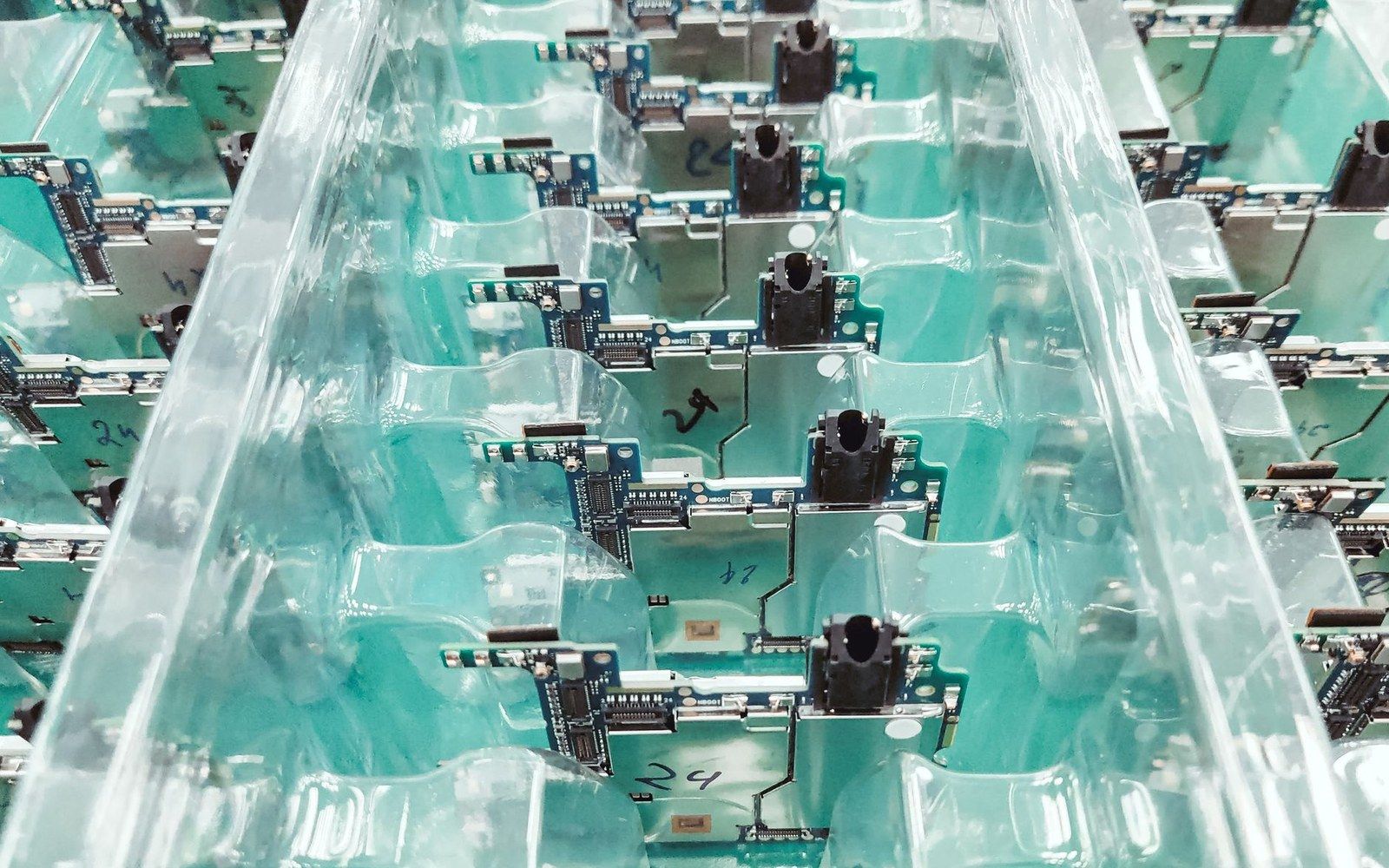
The Taylor fab under construction, thirty-five miles from the Capitol.
Photo: Andrey Matveev / Pexels
The Announcement and the Abatement
Samsung announced in November 2021 that it had chosen Taylor, Texas, and broke ground roughly five months later, in 2022, choosing the small Williamson County city over sites in Arizona and New York. The investment figure it cited — approximately $17 billion for a single advanced-logic fabrication plant — made it one of the largest foreign direct investments in United States history at the time of the announcement. A subsequent expansion announcement in 2022 pushed the stated total toward $25 billion, with multiple additional fabs envisioned on the same campus over the following decade.
The subsidy package that closed the deal leaned heavily on a Texas mechanism called a Chapter 313 abatement — a provision of state law allowing school districts to grant multi-year reductions in the appraised value of industrial property for tax purposes, with the state then backfilling a portion of the school district's resulting revenue loss. Taylor Independent School District approved an abatement for Samsung under Chapter 313 that analysts calculated at roughly $800 million over the agreement's lifetime. The legislature let Chapter 313 expire for new applicants at the end of 2022, meaning Samsung's Taylor plant is among the last projects grandfathered into its terms. Williamson County and the City of Taylor approved additional local incentives on top of the school-district agreement.

The Del Valle plant from the road: the eastern corridor’s land market moved before the factory did.
Photo: Guillermo Berlin / Pexels
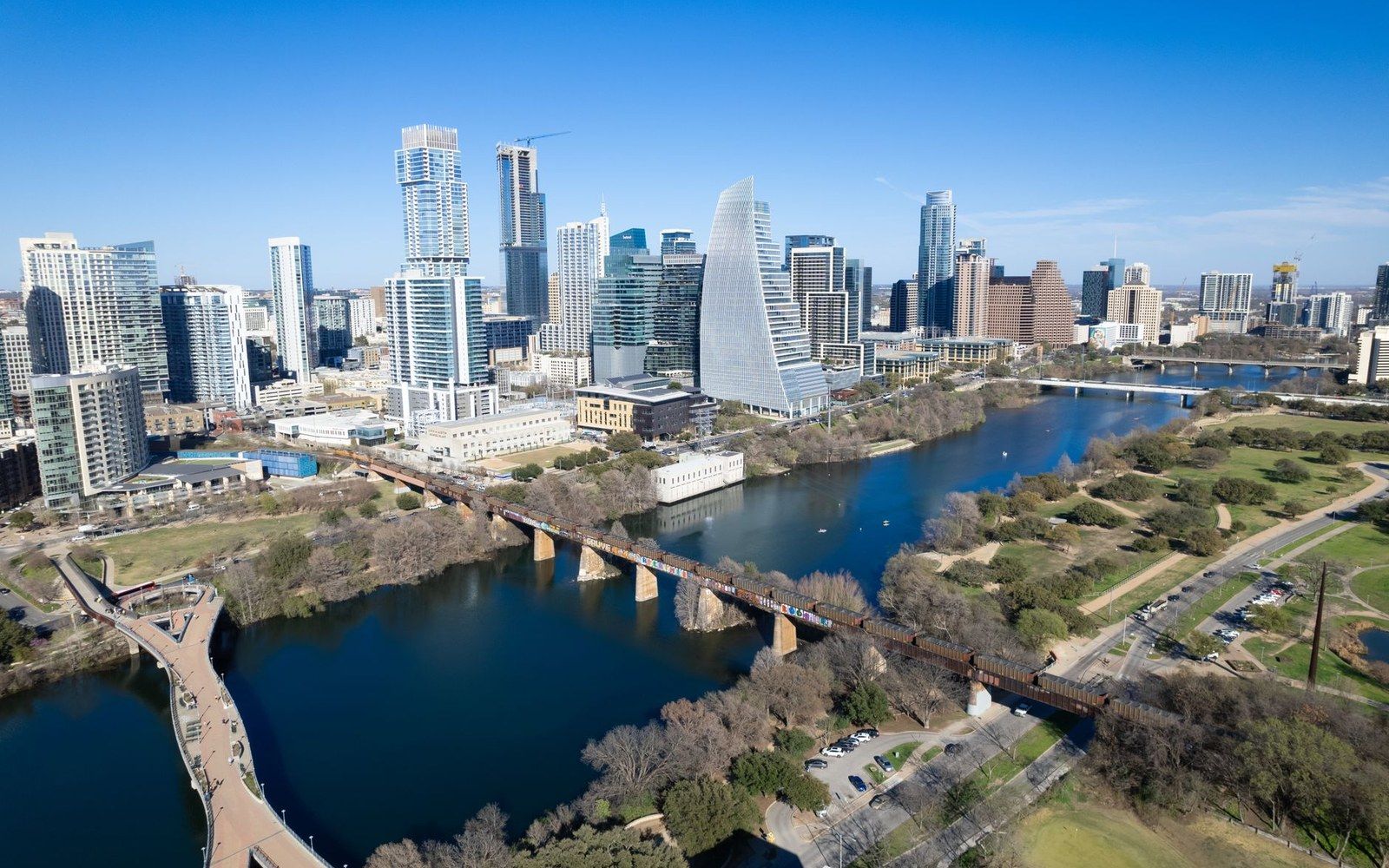
The north Austin site, announced in 2018 and built in phases through the boom.
Photo: Drone Task Force / Pexels
The federal dimension arrived with the CHIPS and Science Act, signed in August 2022, which created a domestic semiconductor manufacturing incentive program administered by the Commerce Department. Samsung applied for CHIPS Act funding, and the Commerce Department announced a preliminary agreement in April 2024 for up to approximately $6.4 billion in direct funding, conditional on final negotiation. That layered federal money onto what was already an extraordinary state and local subsidy stack.
The Plant and the Timeline
The Taylor site covers more than 1,200 acres on the eastern edge of the city, near the existing Samsung Austin Semiconductor facility in north Austin, which has operated since the 1990s. The Taylor fab was designed to manufacture chips at advanced process nodes — the kind of logic semiconductors used in mobile processors and AI hardware — placing it in direct competition with TSMC's Arizona plant and Intel's expanded domestic footprint.
Production timelines slipped. Samsung initially projected volume production beginning in 2024. By mid-2024 the company had publicly pushed that target into 2025, citing weak demand in the semiconductor cycle and yield challenges. Delays of this kind are not unusual in fab construction — the process equipment qualification alone can take many months — but the gap between groundbreaking and first wafer output stretched longer than the original investor roadmap indicated.
Key figures
| Samsung announced investment | ~$17 billion initially; expanded commitment cited as ~$25 billion |
|---|---|
| Chapter 313 abatement value | ~$800 million over the agreement's term, approved by Taylor ISD |
| CHIPS Act preliminary award | up to ~$6.4 billion in direct federal funding (Commerce Dept., April 2024) |
| Samsung permanent jobs cited | ~2,000 |
| Taylor population, 2020 Census | just under 17,000 |
| Chapter 313 expired for new applicants | end of 2022 |
What Taylor Looked Like Before
The Census Bureau counted Taylor's population at just under 17,000 in the 2020 decennial census, making it a small agricultural and light-industrial city whose economy had historically turned on cotton, grain elevators, and modest manufacturing. U.S. Census Bureau data show it had grown modestly through the 2010s but remained well below the fast-growth trajectory of nearby Round Rock or Georgetown in Williamson County.
The Samsung announcement in early 2021 changed what Taylor could plausibly expect from the following decade. Estimates from Williamson County economic development offices projected thousands of direct Samsung jobs — the company cited roughly 2,000 permanent positions — plus a multiplier effect in supplier and service employment. Construction employment at the site ran into the tens of thousands of worker-hours; at peak, the building trades presence was visible across a city whose entire population fits inside a mid-size apartment district in Austin proper.
Whether the permanent employment materializes on the announced scale depends on production ramp-up, semiconductor market conditions, and Samsung's own capital allocation decisions across its global fab network. The subsidies, however, are already committed — the Chapter 313 agreement locked in years before a single chip ships. For a city of Taylor's size, that sequence — incentives first, production later — is the defining economic fact of the decade, whatever the fab ultimately produces.