ACL Festival: Twenty-Three Years in Zilker Park
A festival that outlasted the boom it helped build is still filling Zilker Park, two weekends at a time.
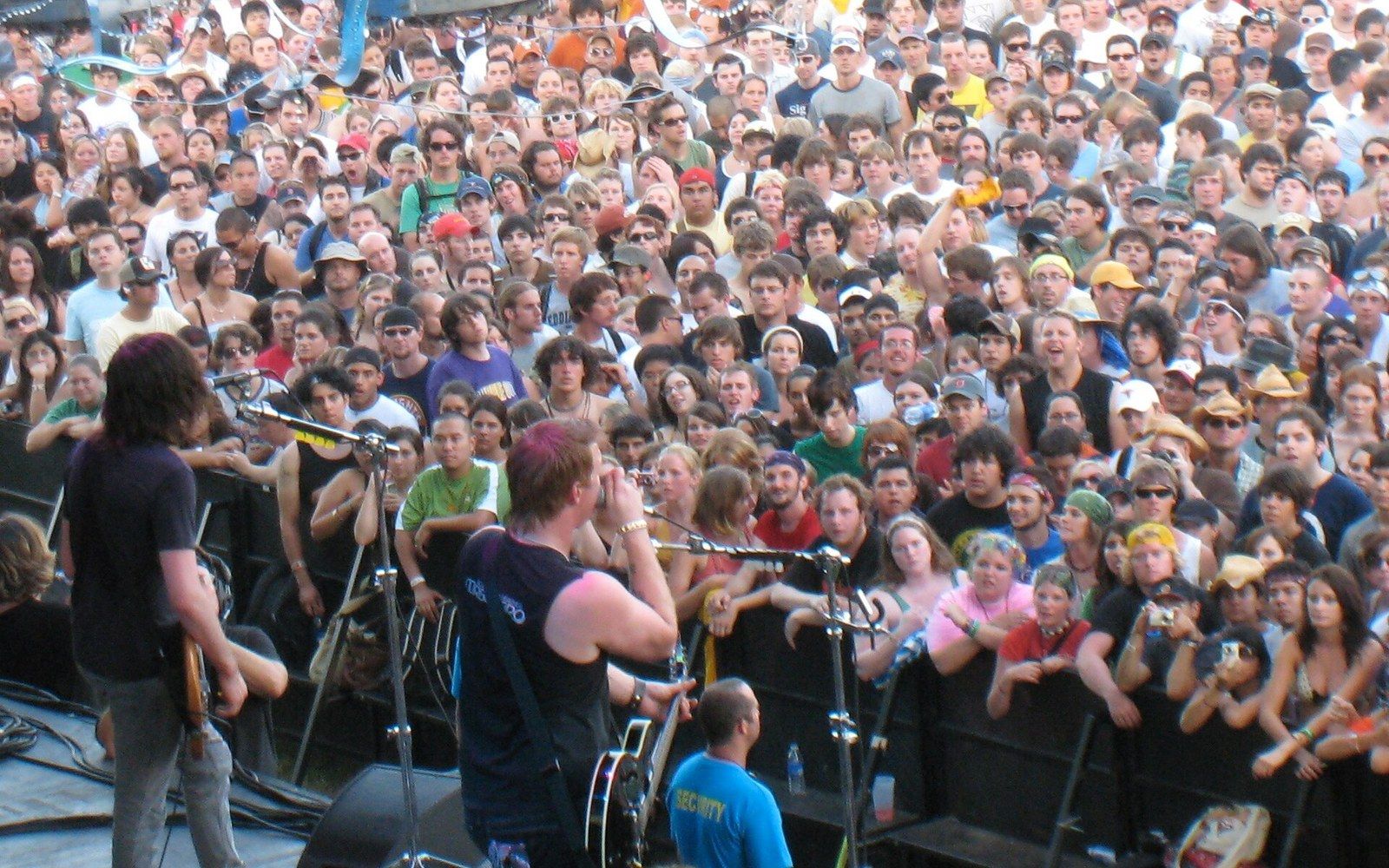
Zilker Park under festival load, negotiated with the city each year.
Photo: Queens of the Stone Age at Austin City Limits Music Festival 2007 · Wikimedia Commons
From KLRU Stage to City Park
The Austin City Limits Music Festival launched in 2002, organized by promoter C3 Presents, and drew roughly 25,000 attendees to its first edition in Zilker Park. The television programme it borrowed its name from — Austin City Limits on KLRU — had been running since 1976, making it the longest-running music series in American broadcast history. The festival and the show share a brand but operate separately; KLRU produces the programme from ACL Live at the Moody Theater downtown, while C3 (acquired by Live Nation in 2014) runs the park event under a permit from the City of Austin.
The format expanded to two consecutive weekends in 2013, effectively doubling capacity. Combined attendance across both weekends now regularly reaches 450,000, making ACL Fest one of the largest music festivals in the United States by headcount. That scale puts persistent pressure on Zilker Park — a 351-acre public greenspace that also hosts Barton Springs Pool — and city negotiations over turf damage, vendor footprints, and post-event restoration have accompanied nearly every contract renewal. The City of Austin's Parks and Recreation Department sets conditions on ground remediation, and the festival's permit has drawn periodic criticism from neighbourhood groups and park advocates who argue the land needs longer recovery time between uses.
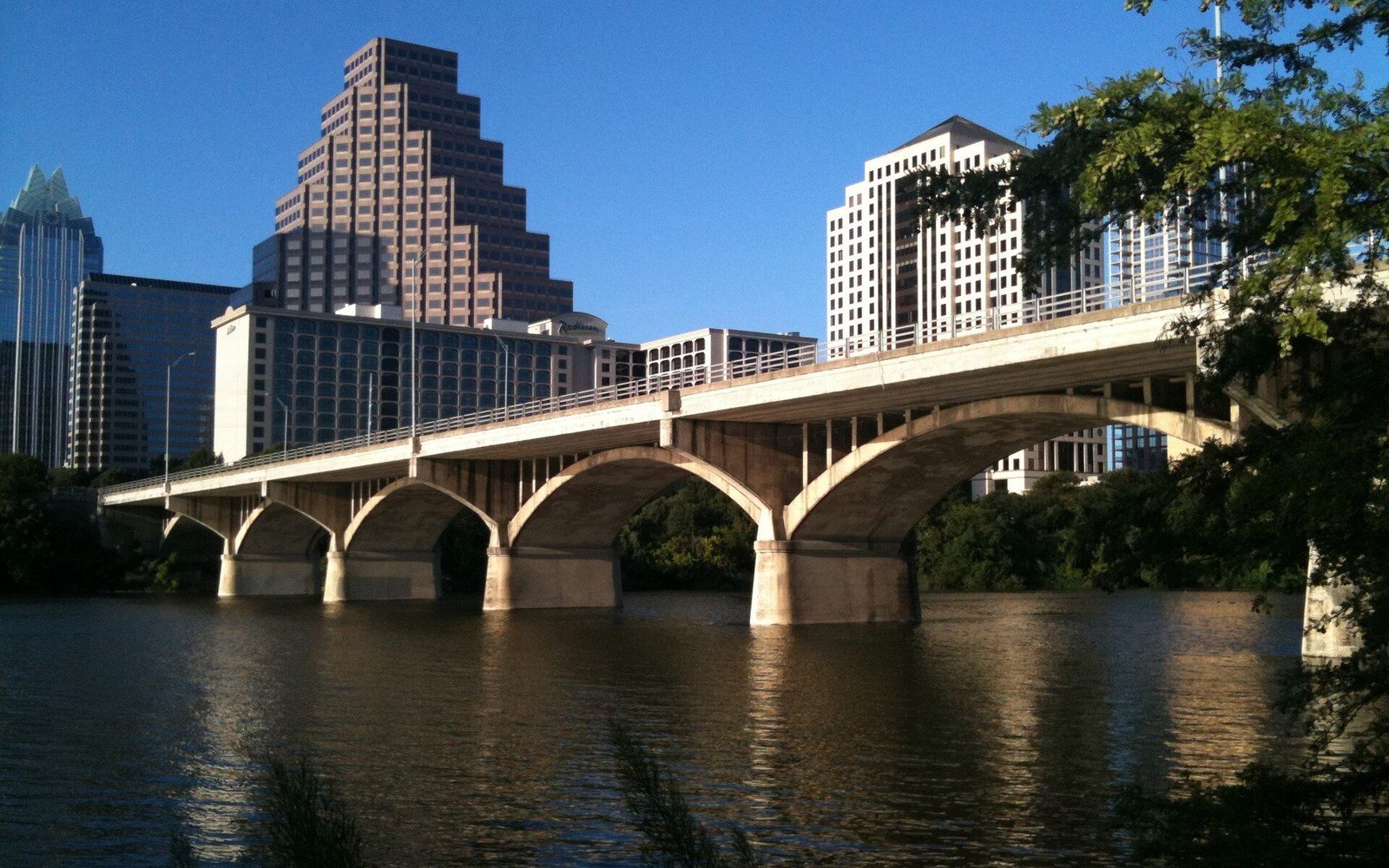
The colony is now a line in the city’s tourism accounting.
Photo: Congress Avenue Bridge · Wikimedia Commons
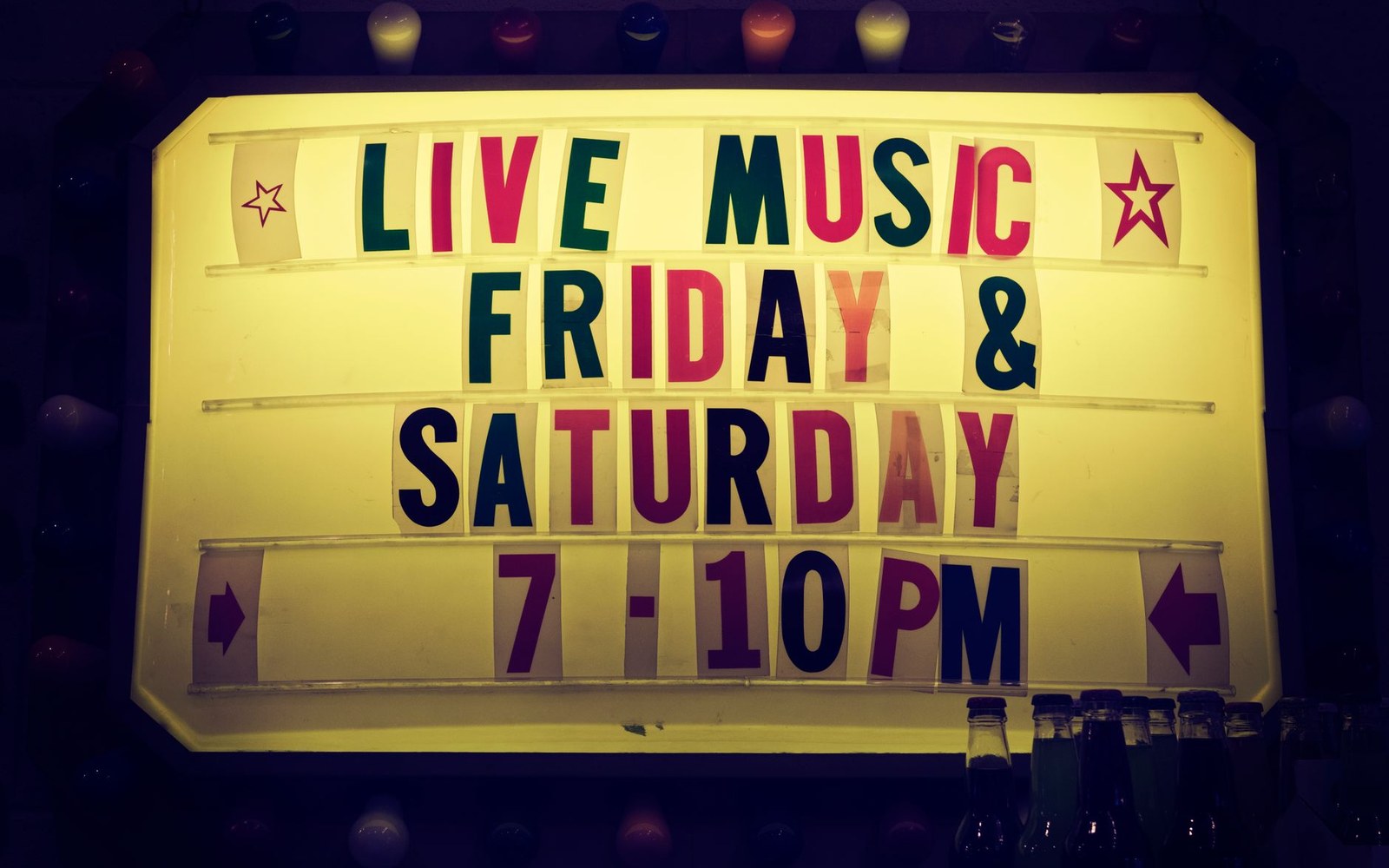
A frontage still lit. The district kept its designation and lost rooms anyway.
Photo: Tim Mossholder / Pexels
The economic argument runs in the other direction. The Austin Convention and Visitors Bureau — now operating as Visit Austin — has cited the festival's combined two-weekend impact at more than $300 million annually for the metro economy, counting hotel rooms, restaurant spending, and transportation. Those figures, produced by consultants hired by event organizers, carry the usual caveats about displacement and multiplier assumptions, but they are the numbers the city has used in permit deliberations.
ACL Fest turns twenty-three in 2024. It has now outlasted several of the tech-relocation stories that reshaped Austin during its boom years, and it operates in a city where the Red River Cultural District has shed venue after venue since 2019. The festival keeps growing its headliner budgets and its fence perimeter while the rooms that develop the acts on those headliner stages keep closing. That tension — festivals expanding while clubs contract — is the defining dynamic of Austin's music economy in its correction years, and Zilker Park is where it is most visibly on display.