The Red River District Since 2019: A Room Count
The city trademarked "Live Music Capital of the World." The district it designated to protect live music has fewer rooms than it did in 2019.
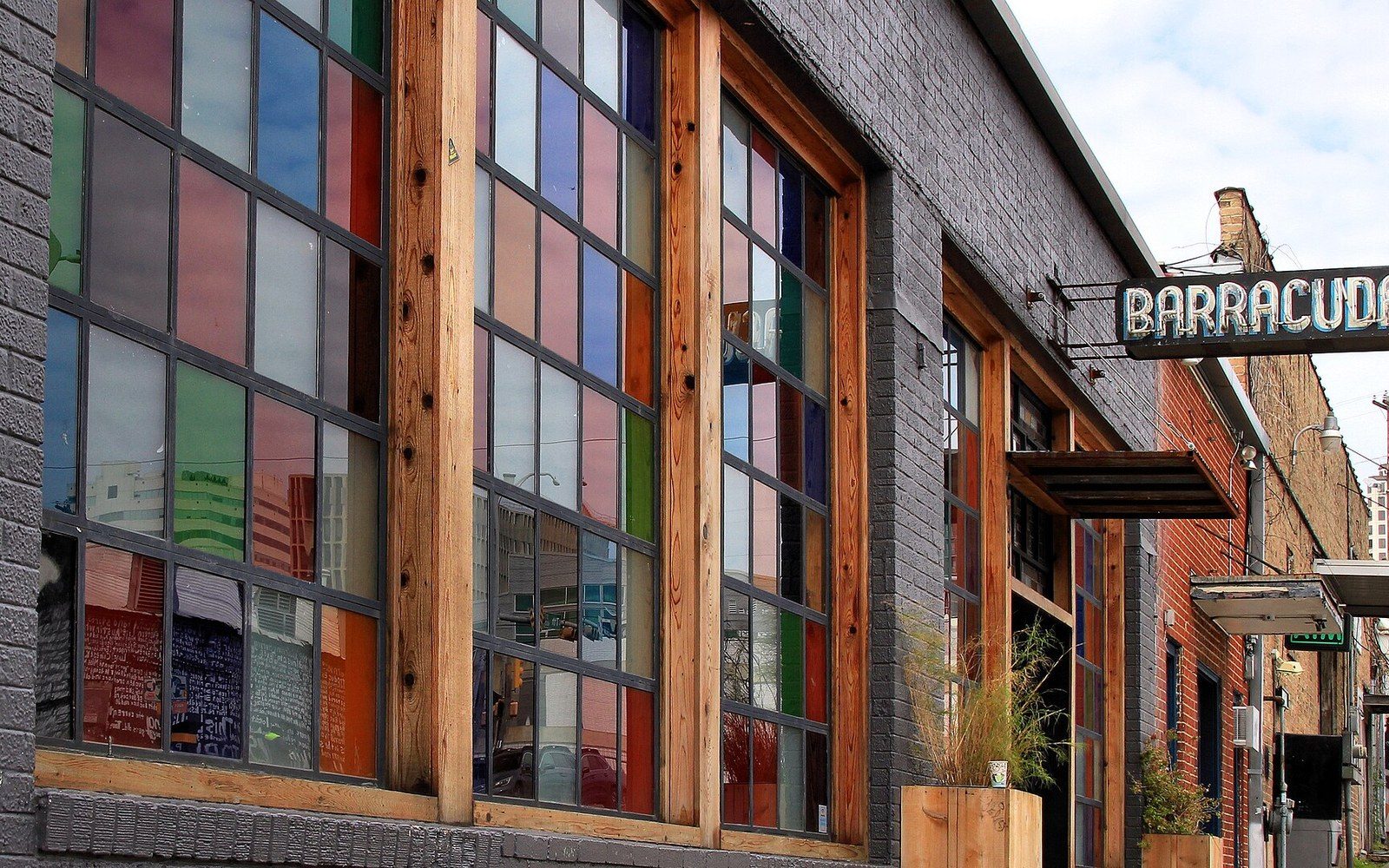
Barracuda’s frontage — one of the rooms counted out of the district.
Photo: Barracuda Austin 2019 · Wikimedia Commons
What the Closures Look Like
The Red River Cultural District — a stretch of clubs along Red River Street between Sixth and Tenth streets — received formal city designation in 2011, the recognition intended to buffer Austin's densest concentration of independent music venues against rising rents and redevelopment pressure. The buffer has not held.
Between 2019 and 2025, the district lost several of its working rooms. Beerland, which had operated as a punk and metal anchor for years, closed in 2020. Barracuda, a mid-size indoor-outdoor room that had become a reliable stop for touring acts, closed in 2022. Mohawk — the district's largest and most nationally prominent independent venue — announced in 2024 that it would not renew its lease, ending bookings after more than fifteen years at the corner of Red River and Ninth. Cheer Up Charlies, which combined a queer-friendly bar identity with a working outdoor stage, relocated under financial pressure and left the district's footprint smaller.
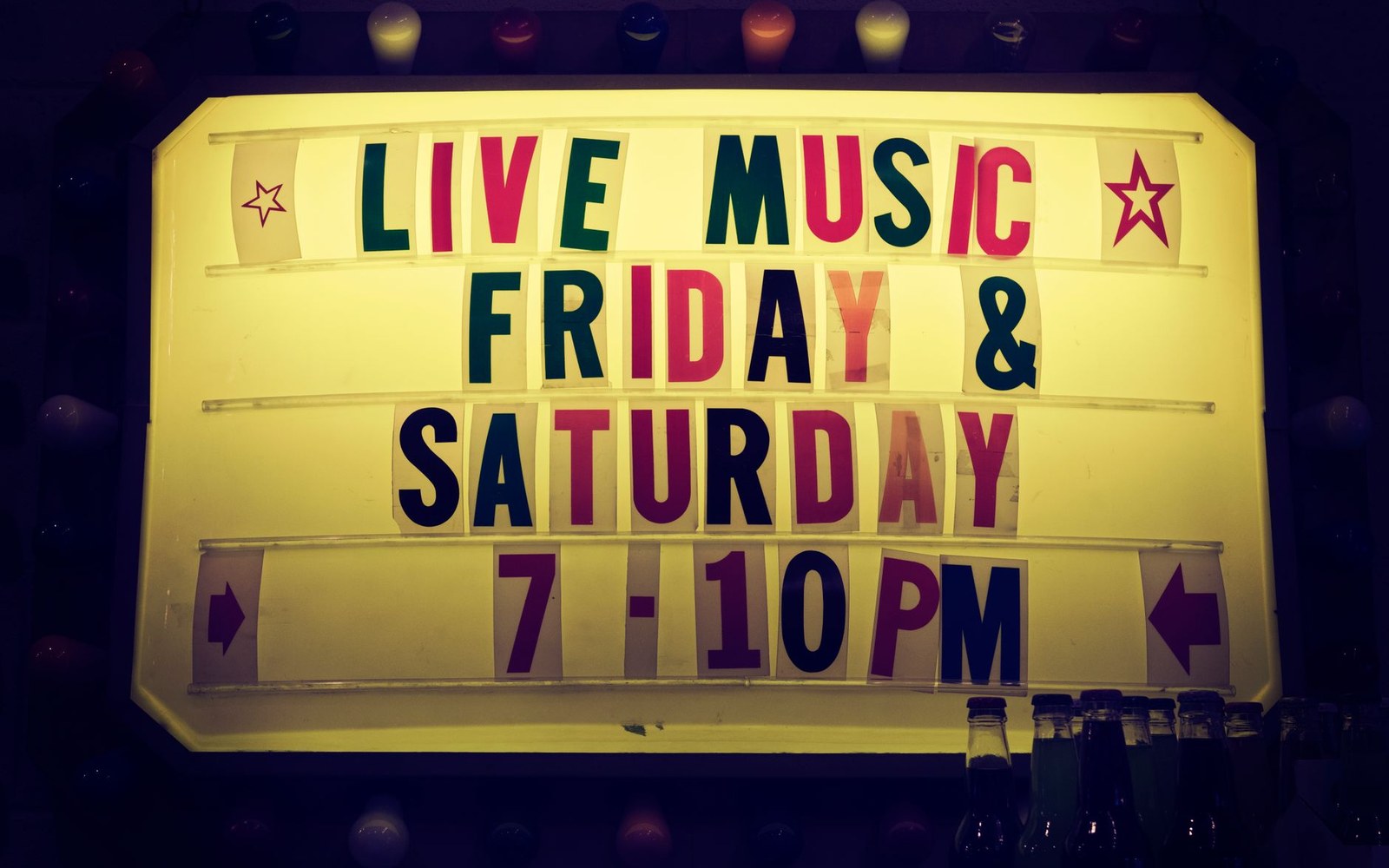
A frontage still lit. The district kept its designation and lost rooms anyway.
Photo: Tim Mossholder / Pexels
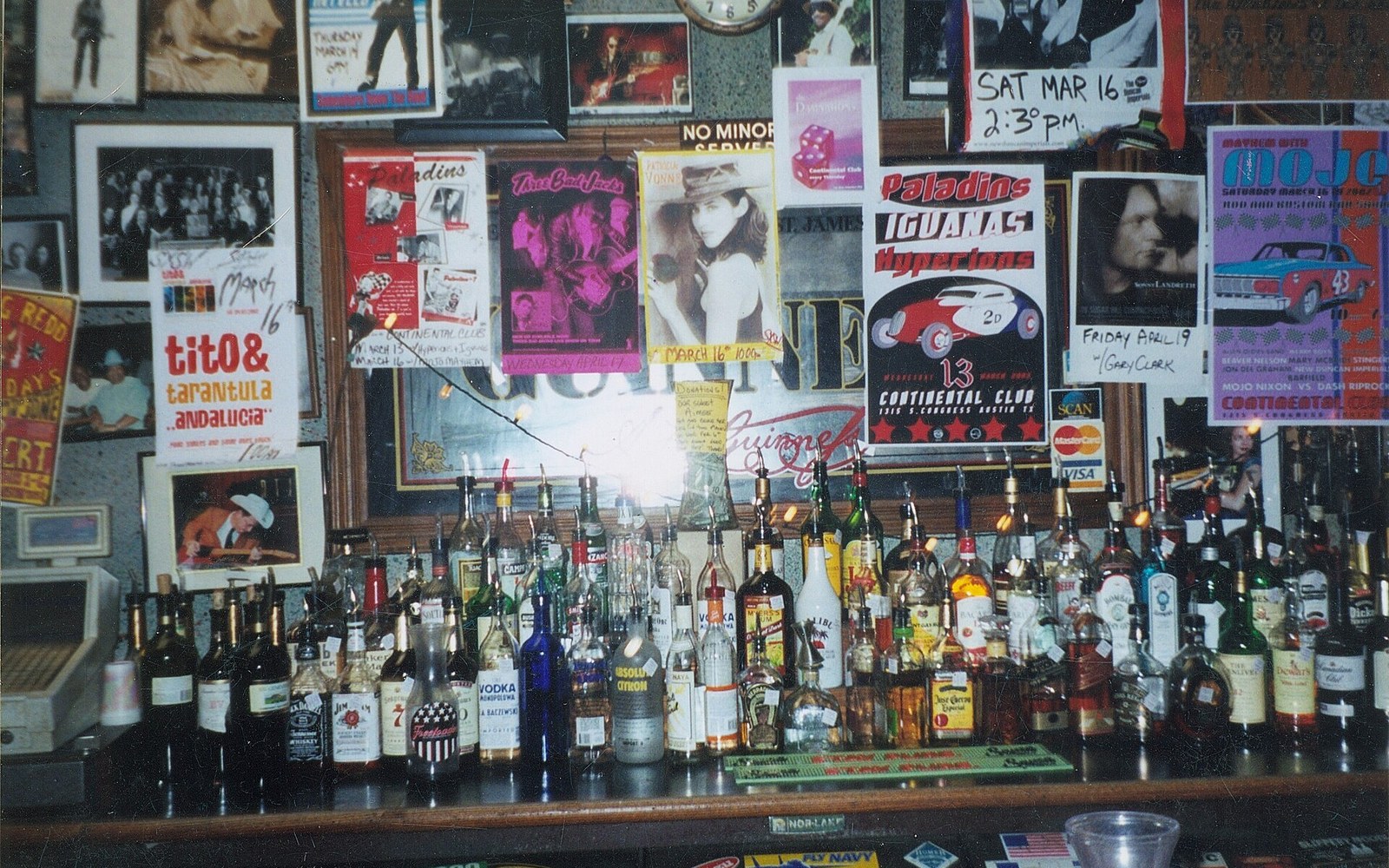
Two rooms that stayed open by owning their own calendars.
Photo: Continental Club Austin · Wikimedia Commons
The closures compound a pattern visible across Austin's broader music economy: festival capacity has grown while room capacity has shrunk. The Austin City Limits Music Festival fills Zilker Park across two weekends each October; SXSW books the entire city for a week each March. Neither model sustains the mid-week, mid-size rooms where local artists develop and touring bands cover touring costs.
Austin has held the federally registered "Live Music Capital of the World" trademark through the Austin Chamber of Commerce since the early 1990s. The designation is a marketing instrument, not a zoning protection. Cultural district status carries prestige and limited grant eligibility; it does not cap rents, restrict demolition, or compel landlords. In a market where commercial real estate is governed by the same correction that has emptied downtown office towers, the district label has proved largely symbolic — and the room count in Red River is the evidence.