The Congress Avenue Bats, and How a Colony Became Infrastructure
A crack in a rebuilt bridge let a million bats move in. Austin eventually decided that was an asset.
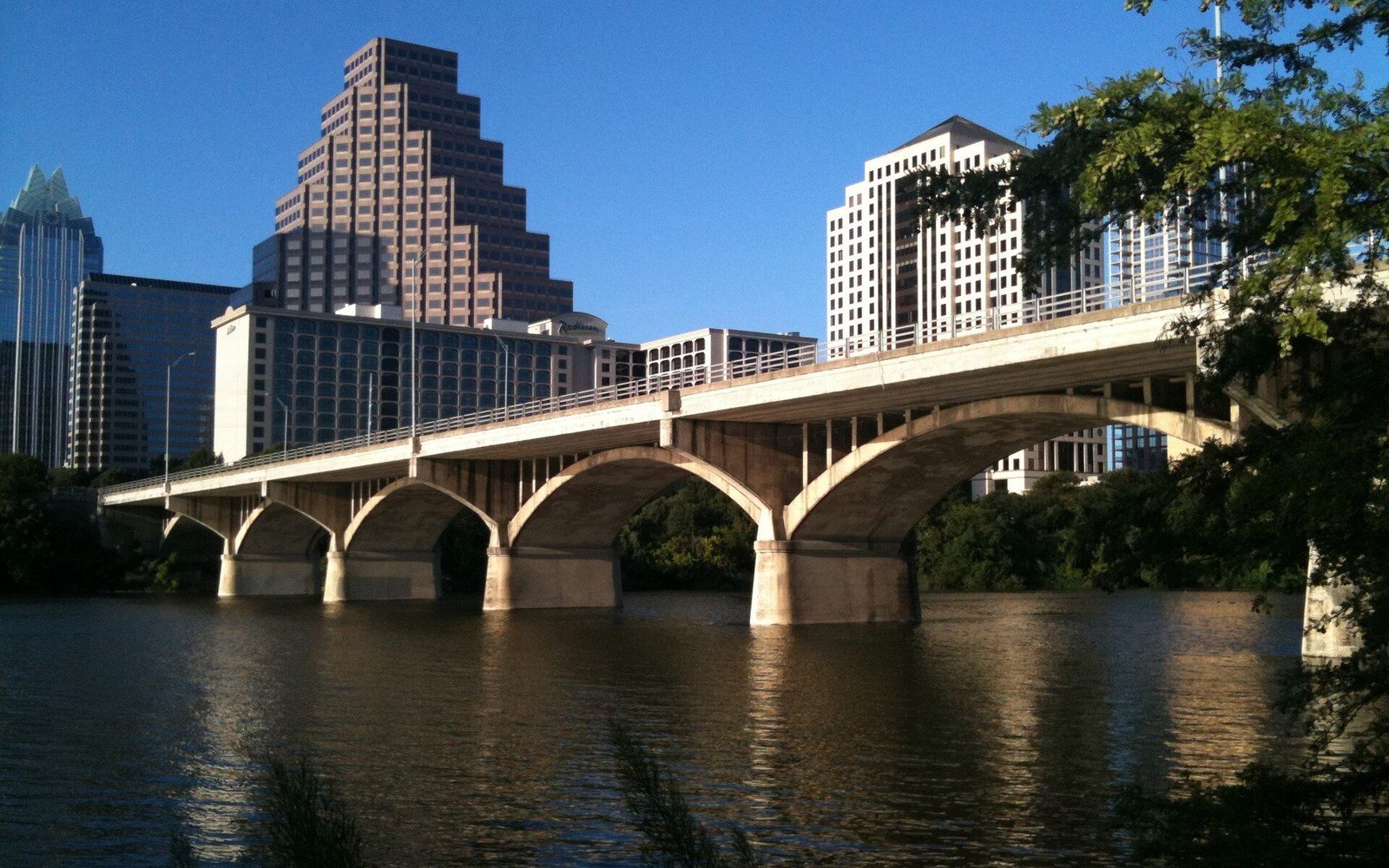
The colony is now a line in the city’s tourism accounting.
Photo: Congress Avenue Bridge · Wikimedia Commons
From Nuisance to Draw
When the Congress Avenue Bridge was renovated in 1980, engineers cut a new deck whose expansion joints left narrow east-facing gaps in the concrete — crevices roughly an inch wide and two feet deep. Within two seasons, Mexican free-tailed bats (Tadarida brasiliensis) had discovered them. By the mid-1980s, an estimated 750,000 to 1.5 million bats were roosting under the bridge each summer, and Austin city officials were fielding calls from residents who wanted them exterminated.
The organization that changed that calculus was Bat Conservation International, founded in Austin in 1982 by biologist Merlin Tuttle. Through public education campaigns and direct outreach to the city, BCI reframed the colony not as a public-health threat but as a biological asset: the bats consume an estimated ten to twenty tons of insects per night at peak population, a form of pest control with no municipal budget line. Austin chose tolerance, then promotion.
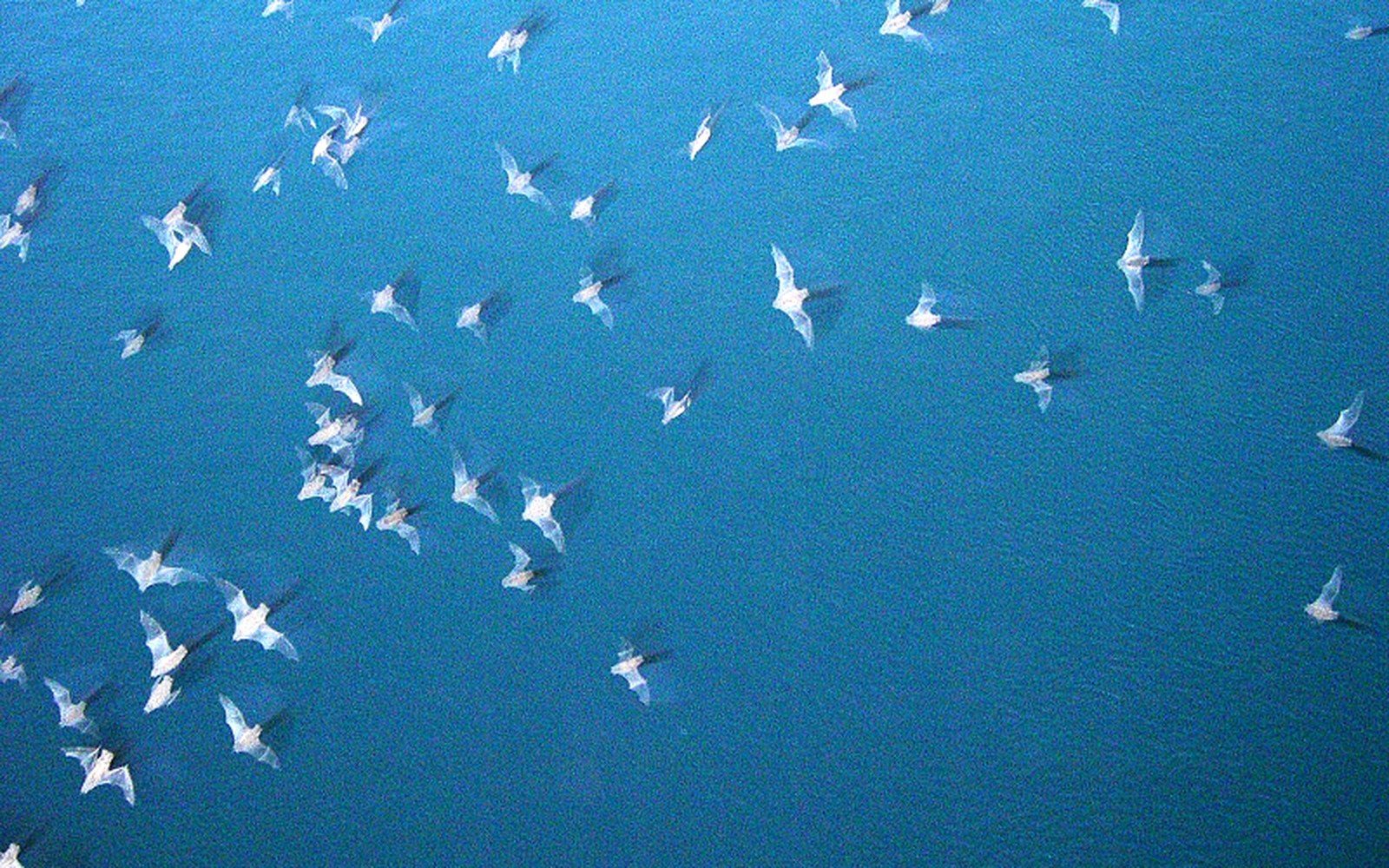
A 1980 reconstruction left crevices at the width the colony prefers.
Photo: Mexican Free-tailed Bat (Tadarida brasiliensis) - Congress Avenue Bridge - Flickr - Jay Sturner · Wikimedia Commons
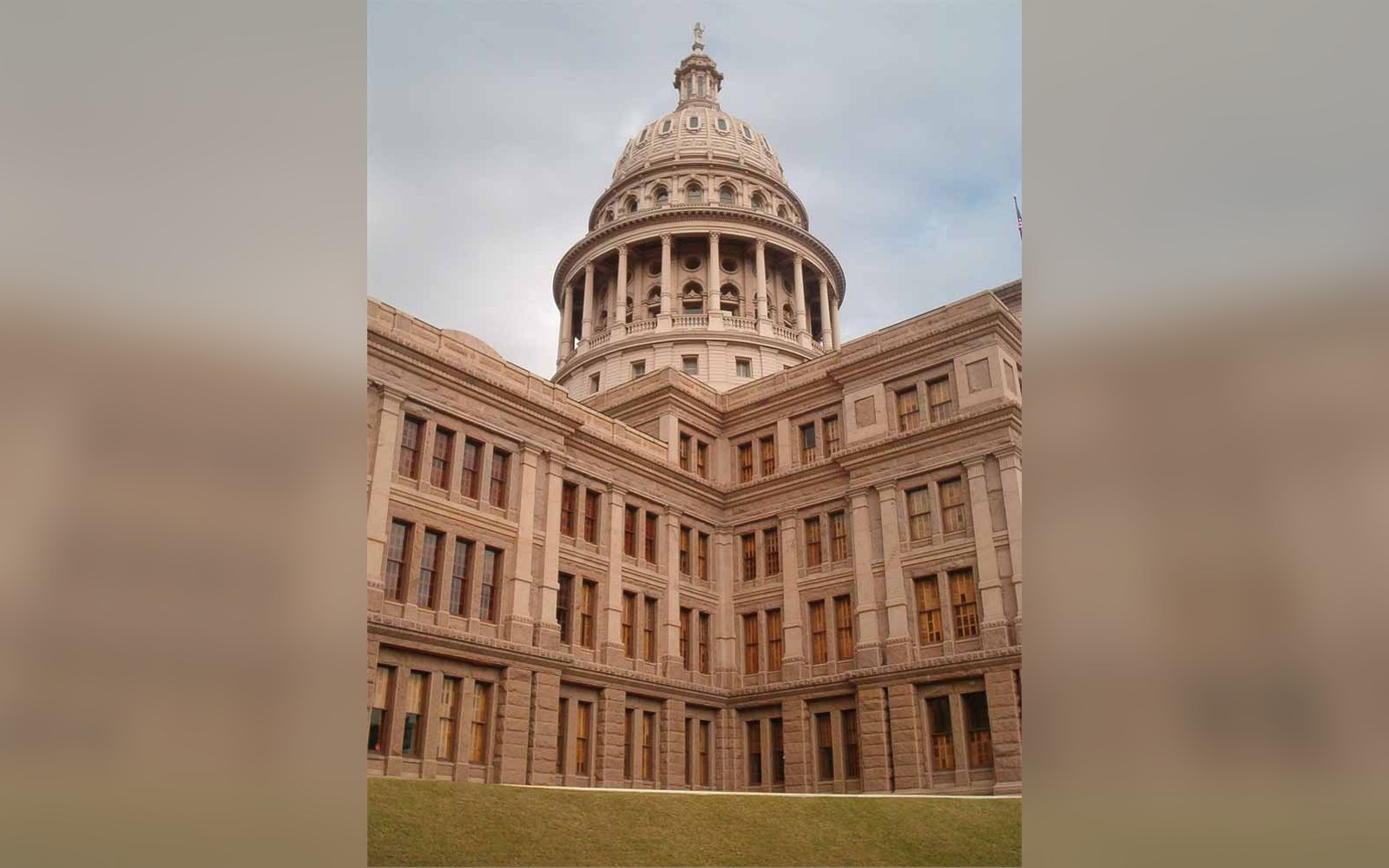
Sunset Red granite, quarried at Marble Falls and hauled in by rail.
Photo: TexasCapitolExterior · Wikimedia Commons
What the Colony Is
The Congress Avenue colony is composed almost entirely of Brazilian free-tailed bats — females and their pups, who roost communally through the warm months before migrating south to Mexico each fall. The U.S. Fish and Wildlife Service classifies the species as a species of conservation concern in parts of its range; the Austin colony is consistently cited in published wildlife surveys as one of the largest urban bat populations in North America.
Peak colony size occurs in late July and August, when pups born in June begin to fly. Emergence — the nightly spiral of bats streaming north and south along the Colorado River corridor — typically begins around dusk and can run thirty minutes to an hour. The City of Austin has estimated that bat-watching draws more than 100,000 visitors annually to the south bank of Lady Bird Lake, generating tourism revenue the city attributes to the colony in its economic impact materials, though no single audited figure has been published.
Infrastructure, Ecological and Civic
The bridge was rebuilt again in subsequent decades, and the replacement decks preserved the roosting geometry deliberately. That decision — to engineer around an existing colony rather than displace it — is the detail that most clearly marks the shift in how the city understood the bats. A nuisance tolerated became a feature maintained. The bats are now documented in city tourism literature, managed in loose coordination with Bat Conservation International, and watched from a dedicated viewing area on the hike-and-bike trail. The bridge is, in a precise sense, wildlife habitat that carries six lanes of traffic.