The Cap-and-Stitch Argument Over I-35
A highway redesign that everyone agreed Austin needed, and almost nothing else
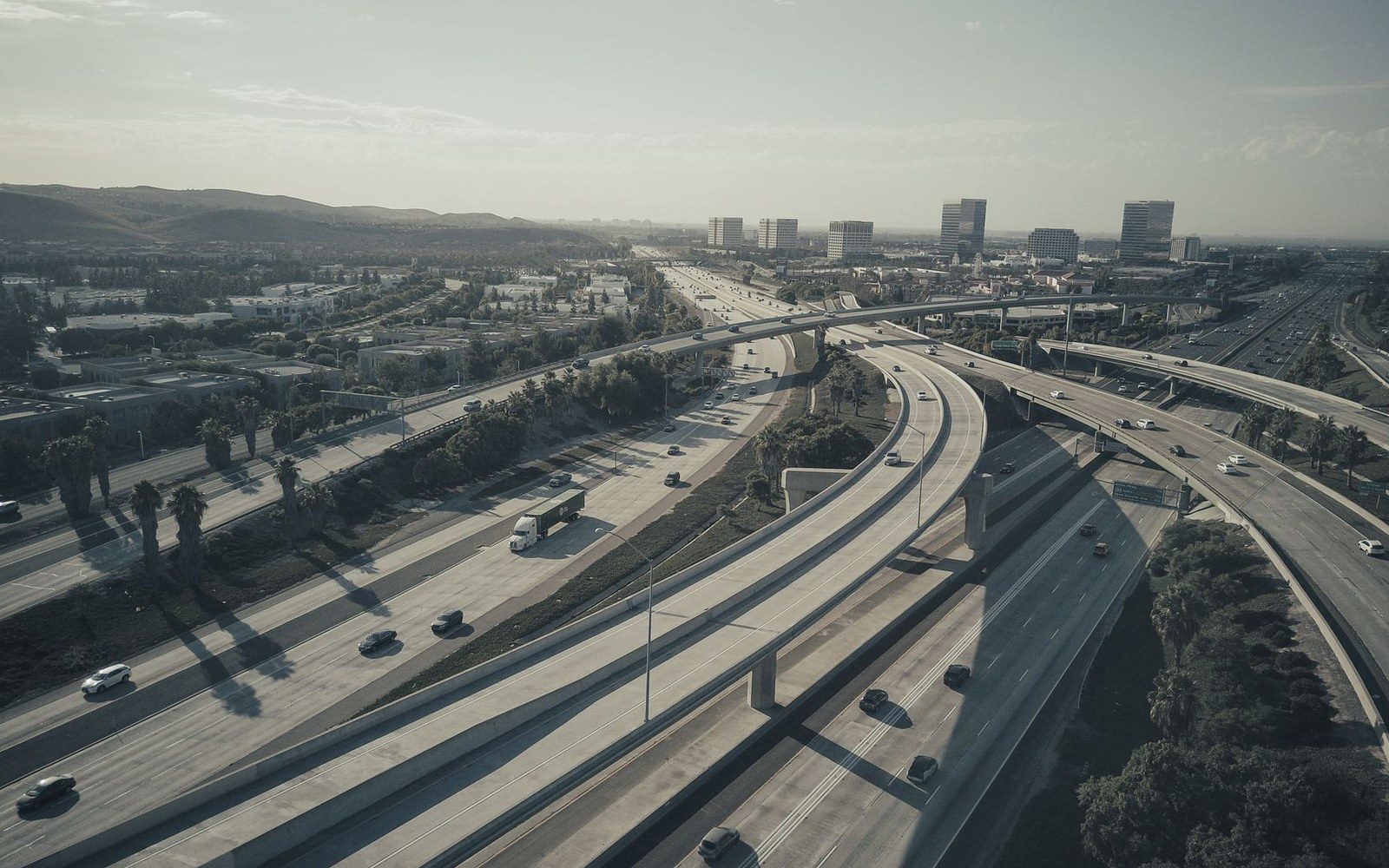
The lowered central section is where the cap-and-stitch argument is being had.
Photo: Kindel Media / Pexels
For decades, Interstate 35 through central Austin has functioned less as a thoroughfare than as a scar — a concrete wall dividing the historically Black and Latino neighborhoods east of the highway from downtown and the University of Texas campus to the west. The Texas Department of Transportation's Capital Express Central project, now in environmental review and preliminary engineering, proposes to rebuild roughly eight miles of the corridor between U.S. 290 East and SH 71/Ben White Boulevard. The lane count, the depth of the cut, and what, if anything, covers the lowered section are three separate arguments that have collapsed into one protracted civic fight.
TxDOT's preferred alternative, as published in its environmental documents, would lower the main lanes below grade through the central segment — removing the elevated structure that currently shadows East 11th Street and adjacent blocks — while adding managed lanes (tolled express lanes) to the rebuilt corridor. The total lane count in some configurations would exceed what exists today, a point that critics, including advocates aligned with the Rethink35 coalition, argue undermines any claim that the project improves walkability or reduces the highway's barrier effect. TxDOT has maintained that the managed lanes are necessary to fund the project's financing structure and to meet regional travel-demand projections produced by the Capital Area Metropolitan Planning Organization.
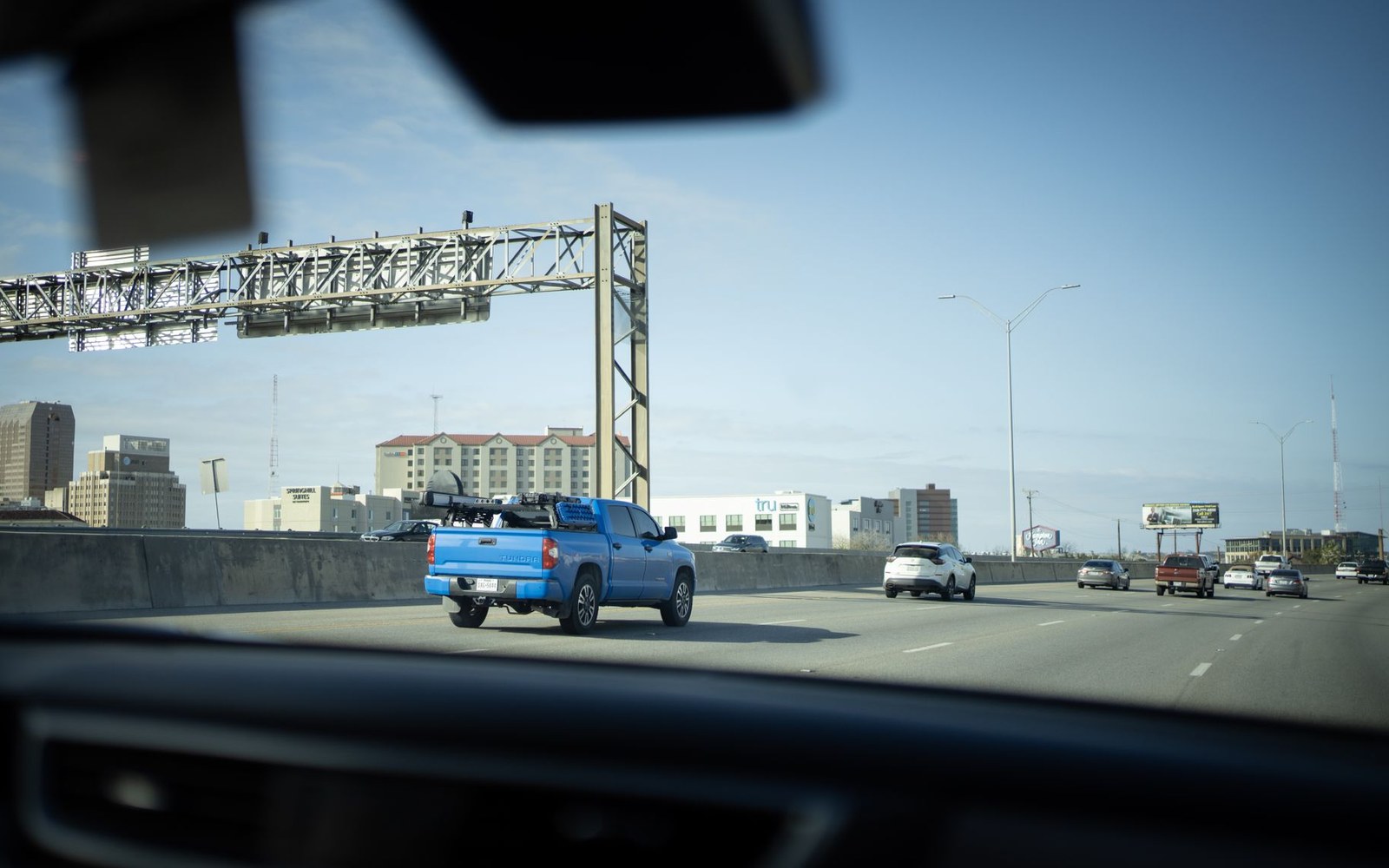
Six lanes through the middle of the city, with the cranes they were widened to serve behind.
Photo: Thomas balabaud / Pexels
The deck question, and who is paying for what
Lowering the freeway below grade creates a physical opportunity: the space above the roadway can, in principle, be decked over and returned to the surface as a park, a street, or both. This is the cap-and-stitch concept — cap referring to the deck structure itself, stitch referring to the reconnection of the city's street grid across what is now an impassable barrier. Several cities have executed versions of it. Dallas capped part of Woodall Rodgers Freeway to create Klyde Warren Park, which opened in 2012. Seattle buried a coastal highway. In each case, the deck required a separate funding source beyond the highway project itself.
In Austin, the Reconnect Austin coalition and allied civic groups have proposed a cap-and-stitch approach that would cover the lowered section through the urban core, creating a continuous deck park linking East Austin to downtown. The coalition's published cost estimates for a full cap have ranged, depending on the length and configuration, from roughly $200 million to over $400 million — figures that sit entirely outside TxDOT's current project budget. TxDOT's Capital Express Central cost estimate, as of figures the agency published in its environmental documents, has been reported in the range of $4.5 billion to $9 billion for the full corridor rebuild, a spread that reflects the difference between the no-cap preferred alternative and more ambitious configurations. The agency has said a deck is not currently within project scope, though it has indicated the lowered roadway would be engineered to be structurally compatible with a future cap — meaning the retaining walls and drainage systems would be built to bear deck loads, leaving the political and financial question open.
That conditional compatibility has become the central negotiating point. Reconnect Austin and the Congress for New Urbanism's Austin chapter have argued that engineering for a future cap is not the same as committing to one, and that without a committed funding mechanism — federal grants, a tax-increment financing district, philanthropic endowment, or some combination — the compatible-structure promise is an easement on paper and a highway in practice. The city of Austin formally requested that TxDOT incorporate cap-and-stitch elements into the project's design. The Austin City Council passed resolutions in support of reconnecting the street grid. Whether those resolutions translate into binding commitments before the project's record of decision is finalized is the live question.
Key numbers
| TxDOT Capital Express Central project corridor | approximately 8 miles, U.S. 290 East to SH 71/Ben White Boulevard |
|---|---|
| Project cost estimate range (as published in environmental documents) | approximately $4.5 billion to $9 billion depending on configuration |
| Cap-and-stitch cost estimates from coalition advocates | roughly $200 million to $400 million or more, separate from highway budget |
| Reconnecting Communities federal grant awards (first rounds) | typically tens of millions of dollars per project nationally |
The federal money and the timeline pressure
The Infrastructure Investment and Jobs Act, signed in November 2021, created the Reconnecting Communities Pilot program specifically to fund projects that remove or mitigate the barrier effect of federally built highways. Austin applied. The program's grants have been competitive and modest relative to the scale of a full cap; Reconnecting Communities grants awarded in the program's first rounds have run in the tens of millions of dollars, not the hundreds of millions a full Austin cap would require. Still, federal interest in the concept has given Reconnect Austin and allied groups a credible avenue to pursue supplemental funding that did not exist before 2021.
TxDOT's preferred timeline would have the project entering construction in phases, with some segments potentially beginning in the late 2020s. That schedule creates pressure: once the below-grade walls are poured, the marginal cost of adding a cap only rises, and a highway engineered-but-uncapped can remain that way for a generation. Critics of the current pace point to the way Austin's Project Connect rail system was approved by voters in 2020 and then revised substantially upward in cost estimate, leaving the city with a contracted commitment and a funding gap — a sequence they cite as a cautionary model for infrastructure promises that outrun their budgets.
The racial geography of the corridor adds weight to the debate that traffic engineering alone cannot carry. The elevated structure was built in the 1960s, during the period when urban highway routing routinely bisected communities of color. East 11th Street, once a commercial spine of Black Austin, lost much of its foot traffic and economic continuity when the highway went up. The lowered section, even without a cap, removes the visual wall and some of the noise. With a cap, it potentially returns developable land and public space to a corridor where land values have already surged with the general Austin boom — meaning the communities most historically displaced by the highway may face displacement again from the remediation, unless affordable housing and anti-displacement measures are written into the redevelopment framework alongside the concrete.
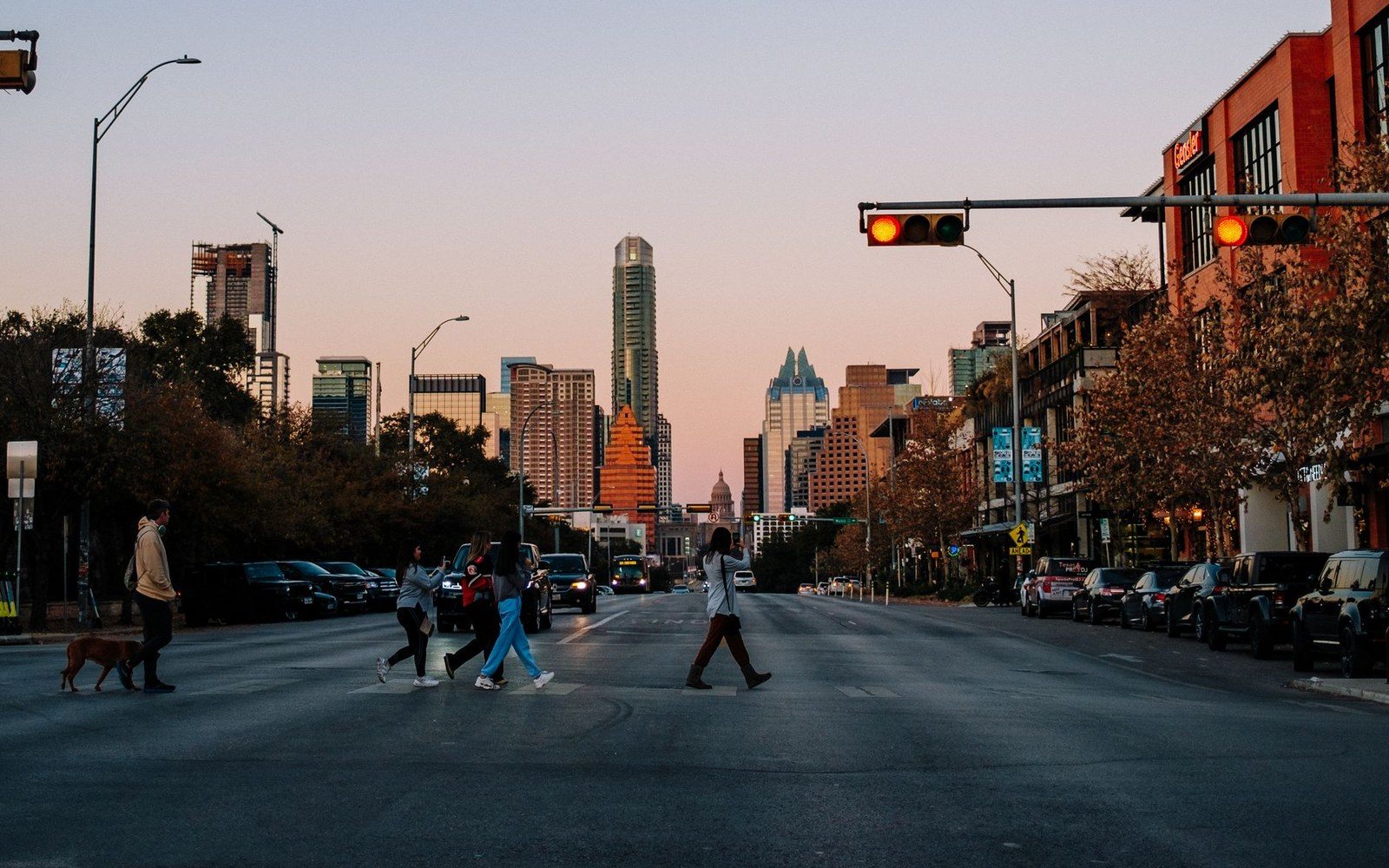
Bus service carried the ridership while the rail scope was cut back.
Photo: Jeswin Thomas / Pexels
TxDOT, as a state agency, does not control land use on the parcels above a future deck. The city does. The gap between those two jurisdictions — one building the road, one governing what grows on top of it — is where the cap-and-stitch argument actually lives. The engineering is solvable. The governance, the money, and the timeline are not.