Voters Approved a Rail System, and Then the Estimate Went Up
Austin passed Project Connect in 2020 with a strong majority. By 2023, most of it was gone.
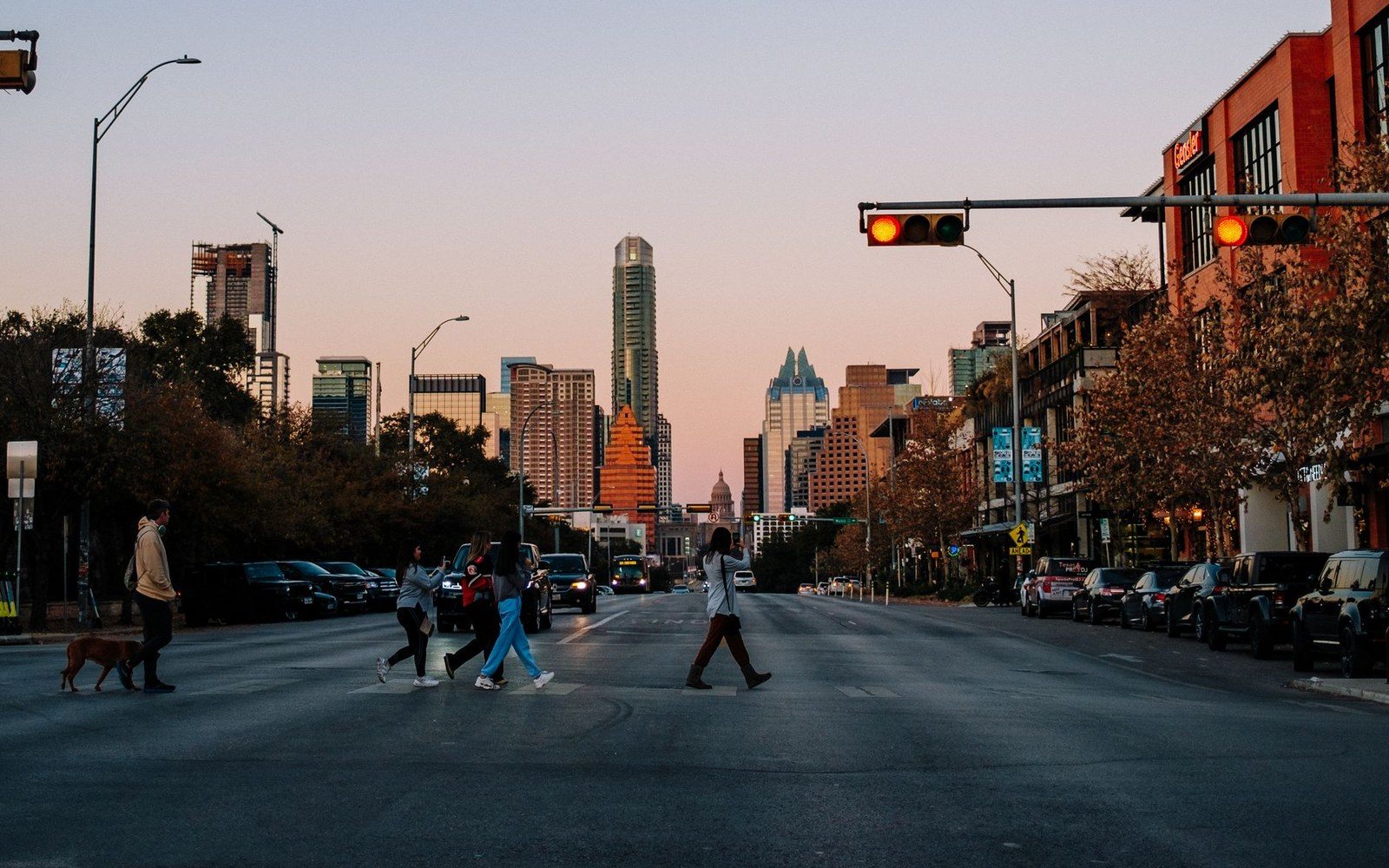
Bus service carried the ridership while the rail scope was cut back.
Photo: Jeswin Thomas / Pexels
The Vote and What It Promised
In November 2020, Austin voters approved Project Connect with roughly 58 percent support — a decisive margin for a $7.1 billion transit plan that promised to remake the city's relationship with its own geography. The package included an Orange Line running north to south along the Guadalupe-Lamar corridor, a Blue Line stretching from the airport through downtown to the northwest, a Green Line commuter rail route heading northeast, a downtown tunnel, anti-displacement funds, and an expanded MetroRapid bus network. CapMetro described it as the largest single investment in Austin's history.
The city would fund its share through a dedicated property-tax rate increase of roughly 8.75 cents per $100 valuation — meaning that as property values climbed through 2021 and 2022, the tax generated more revenue than originally projected. That detail would later complicate the story: the city was collecting more than expected, and the rail system was still being cut.
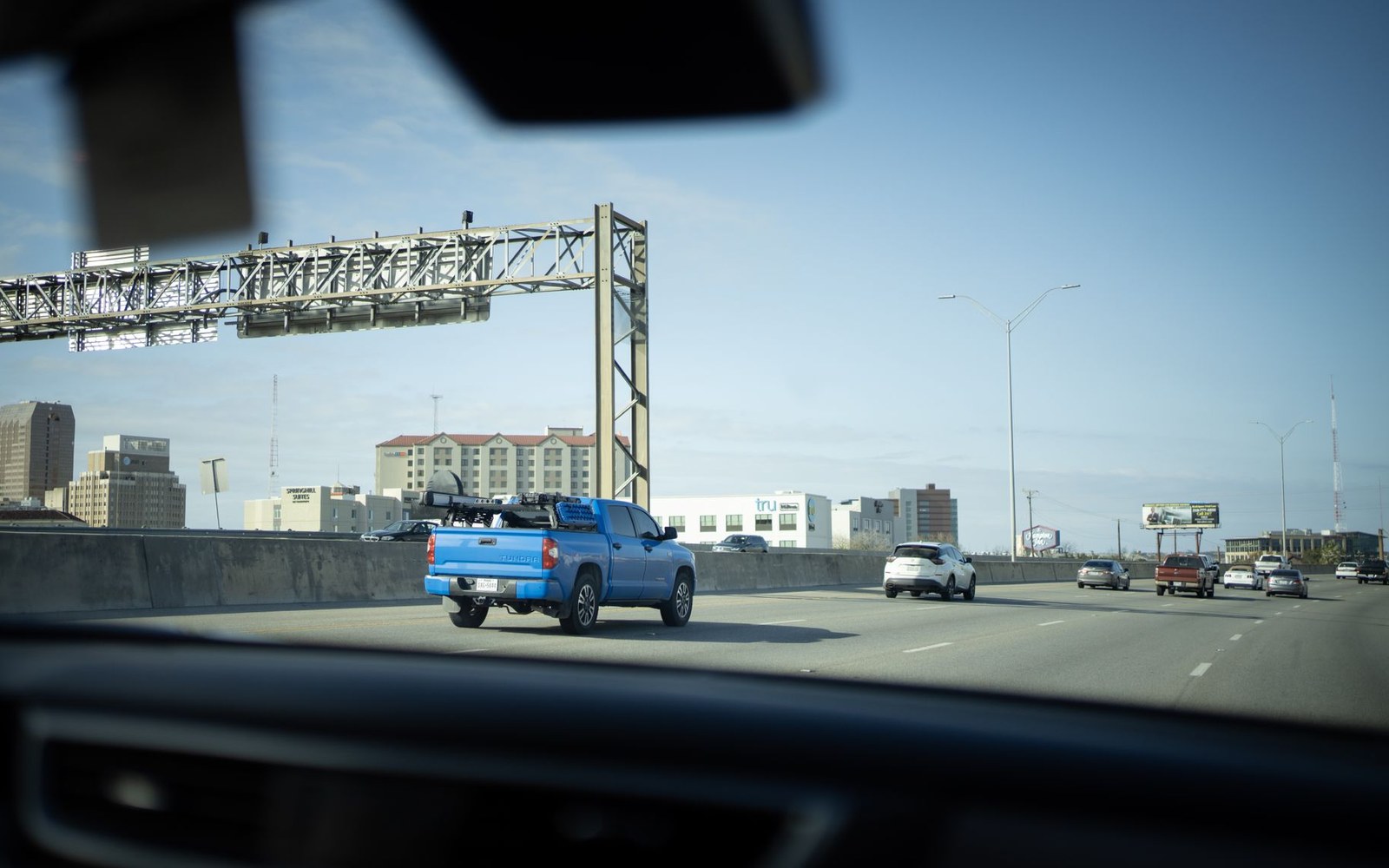
Six lanes through the middle of the city, with the cranes they were widened to serve behind.
Photo: Thomas balabaud / Pexels
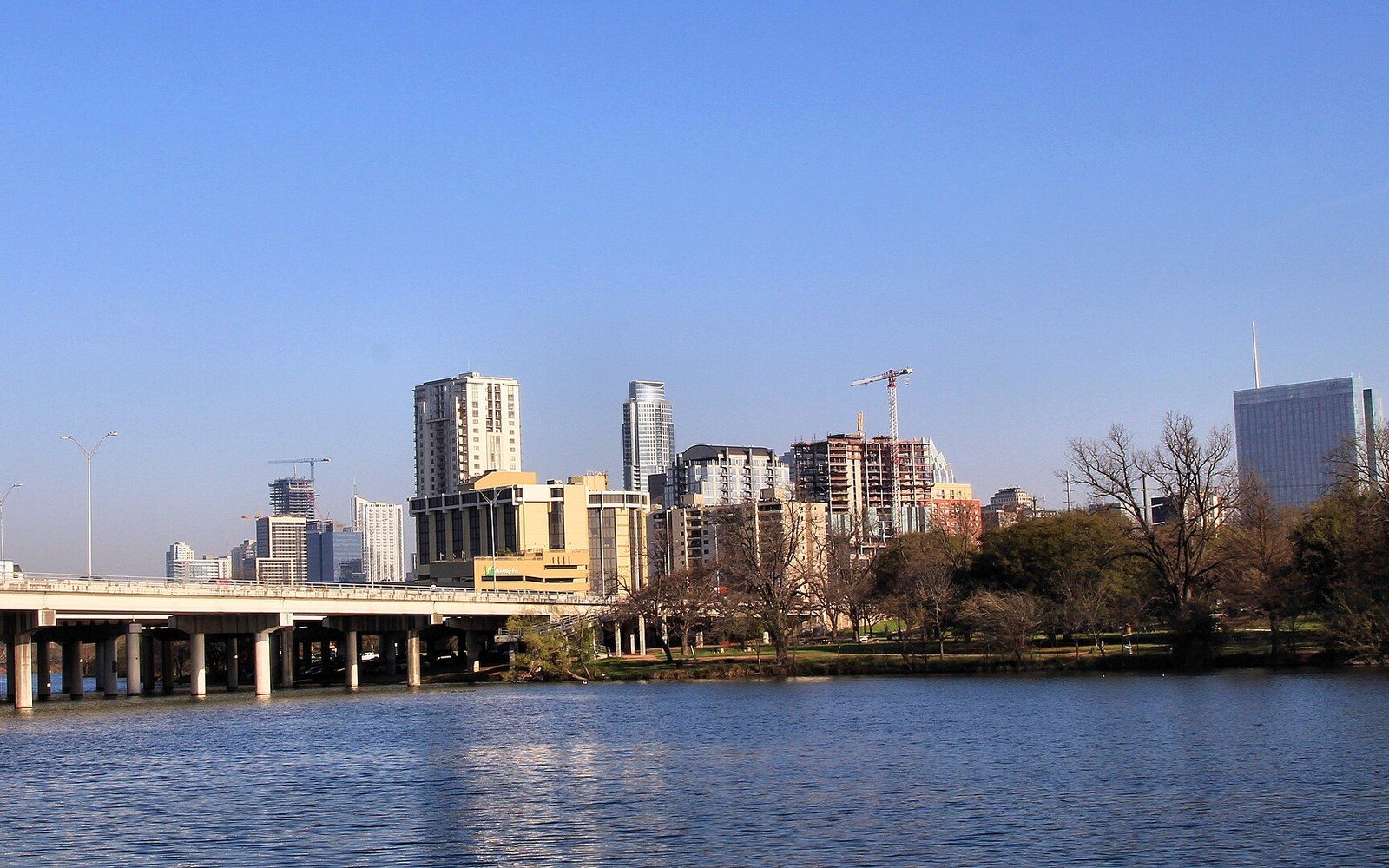
Towers that broke ground in the boom finished into a softer leasing market.
Photo: Austin Downtown 2018 · Wikimedia Commons
The Estimate Moved, and the Lines Disappeared
Between 2020 and 2023, construction cost estimates for Project Connect climbed dramatically. CapMetro and city officials attributed the increase to pandemic-era supply-chain pressures, inflation in steel and concrete, updated engineering work that replaced early conceptual figures, and the particular expense of the proposed downtown tunnel. By late 2022 and into 2023, revised estimates placed the full system well above $10 billion — some analyses put the all-in figure closer to $11 billion — against a funding base that had not grown proportionally.
The response was a significant scope reduction. The Green Line, which would have extended commuter service northeast toward Manor and into the territory that feeds workers from lower-cost suburbs, was deferred indefinitely. The downtown tunnel, a signature element of the original plan, was cut. The Blue Line's alignment and phasing were revised. What remained was a narrowed Orange Line light-rail corridor and continued investment in rapid bus service — a system that retained the name Project Connect but had shed its most ambitious elements.
CapMetro's published ridership data for the same period offered additional context for the political difficulty of defending the expenditure. System-wide boardings had not recovered to pre-pandemic levels by 2023. Austin's land-use pattern — low-density, sprawling, car-dependent — had not changed fast enough to generate the kind of latent transit demand that might build a political floor under large capital commitments. Critics of the cuts argued the opposite case: that without the full network, ridership would never reach the levels that justified the investment, a circularity problem familiar to transit planners in car-oriented American metros.
The numbers that shifted
What a Scaled-Back System Means
The political fallout was real but not clean. Supporters of the original plan argued that voters had approved a specific vision, and that modifying it substantially without returning to the ballot was a breach of the mandate. City officials and CapMetro countered that delivering a reduced system was preferable to delivering nothing, and that the cost environment made the full plan financially impossible without a funding source that did not exist.
Austin's transit situation is not isolated. Across the United States, transit capital costs have escalated sharply in the post-pandemic period, and several cities have seen voter-approved projects scaled back or delayed as estimates revised upward. What makes Austin's case particular is the backdrop: a city that grew faster than almost any other large American metro during the boom years, attracted major corporate relocations from Oracle and others, and yet arrived at its transit reckoning with a road network under strain and a downtown office vacancy rate that undercut the commuter-demand projections built into the original ridership models.
The Orange Line, in its current reduced form, remains in planning and environmental review. No construction start date has been confirmed. The property-tax increment continues to collect revenue. What it will eventually build remains, as of the mid-2020s, genuinely uncertain.